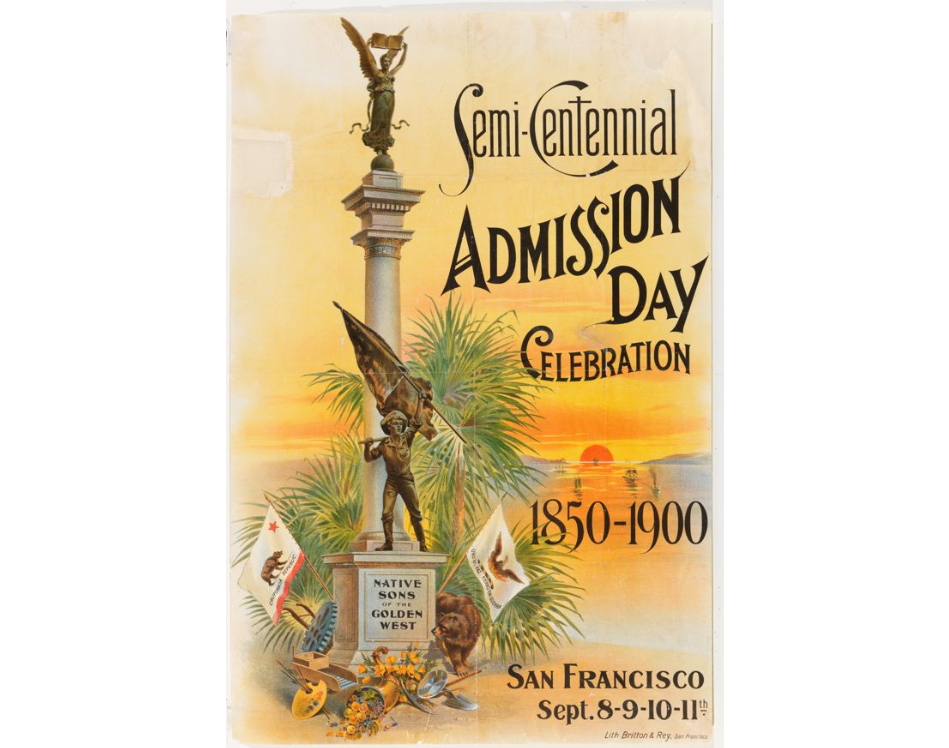
Huzza! Happy California Admission Day! It has been 175 years since California joined the United States as the 31st state. (If 50 years is a semi-centennial, what is 175? There are several to choose from, such as “dodransbicentennial,” but none of them have caught on.)
It’s strange to think that on September 9, 1850, as President Fillmore put his signature on the document that admitted California to the Union, the people of California had no way of knowing that they had just become a state. No telephone, no telegraph, not even the Pony Express to spread the news. It would take five weeks for the news to reach San Francisco.
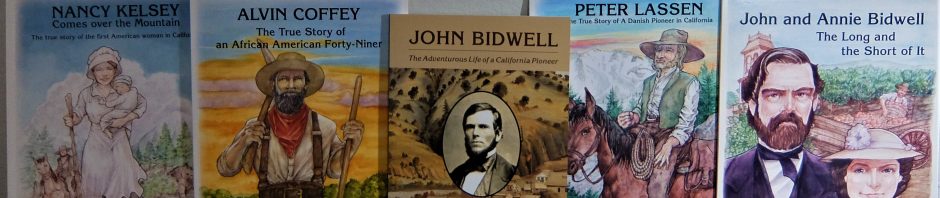
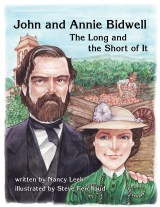
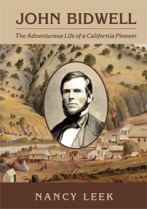
John Bidwell, who was in Washington, D.C. at the time, was entrusted with the document admitting California to the Union. He left New York City on the steamship Oregon on September 13th. Fearing their loss to unknown men who opposed the admission of California as a free state, he gave the document into the keeping of Mrs. Elisha Crosby and her daughter Helen. Miss Helen slept with the packet of papers under her pillow and hid them in her blue silk umbrella as the crossed the Isthmus of Panama. For more on this story, see “Miss Crosby’s Blue Umbrella.”
The steamer Oregon arrived at San Francisco on October 18th. Here is how the scene is described in The Annals of San Francisco (1855).
When, on the 18th instant, the mail steamer ” Oregon ” was entering the bay, she fired repeated preconcerted signal guns which warned the citizens of the glorious news. Immediately the whole of the inhabitants were afoot, and grew half wild with excitement until they heard definitely that the tidings were as they had expected. Business of almost every description was instantly suspended, the courts adjourned in the midst of their work, and men rushed from every house into the streets and towards the wharves, to hail the harbinger of the welcome news. When the steamer rounded Clark’s Point and came in front of the city, her masts literally covered with flags and signals, a universal shout arose from ten thousand voices on the wharves, in the streets, upon the hills, house-tops, and the world of shipping in the bay.
Again and again were huzzas repeated, adding more and more every moment to the intense excitement and unprecedented enthusiasm. Every public place was soon crowded with eager seekers after the particulars of the news, and the first papers issued an hour after the appearance of the Oregon were sold by the newsboys at from one to five dollars each. The enthusiasm increased as the day advanced. Flags of every nation were run up on a thousand masts and peaks and staffs, and a couple of large guns placed upon the plaza were constantly discharged. At night every public thoroughfare was crowded with the rejoicing populace. Almost every large building, all the public saloons and places of amusement were brilliantly illuminated — music from a hundred bands assisted the excitement — numerous balls and parties were hastily got up — bonfires blazed upon the hills, and rockets were incessantly thrown into the air, until the dawn of the following day.
What a jubilation that must have been! Unfortunately, Bidwell himself never said much about his role in bringing California into the Union. He was in a hurry to get back to his ranch and didn’t linger in San Francisco.



 goldfields