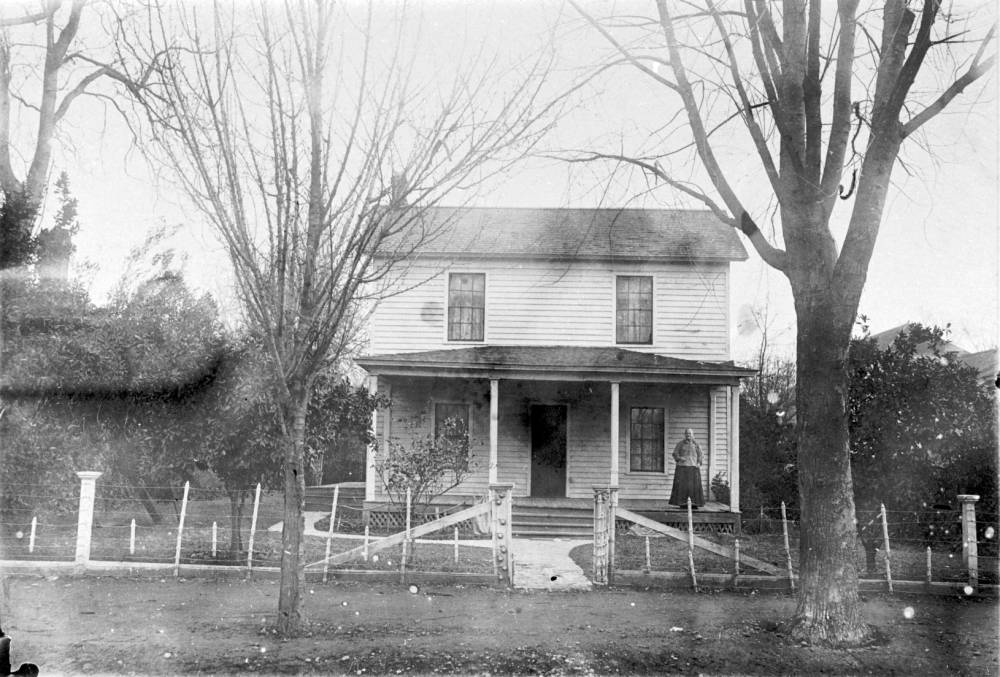
Bidwell Mansion: The Stories We Share

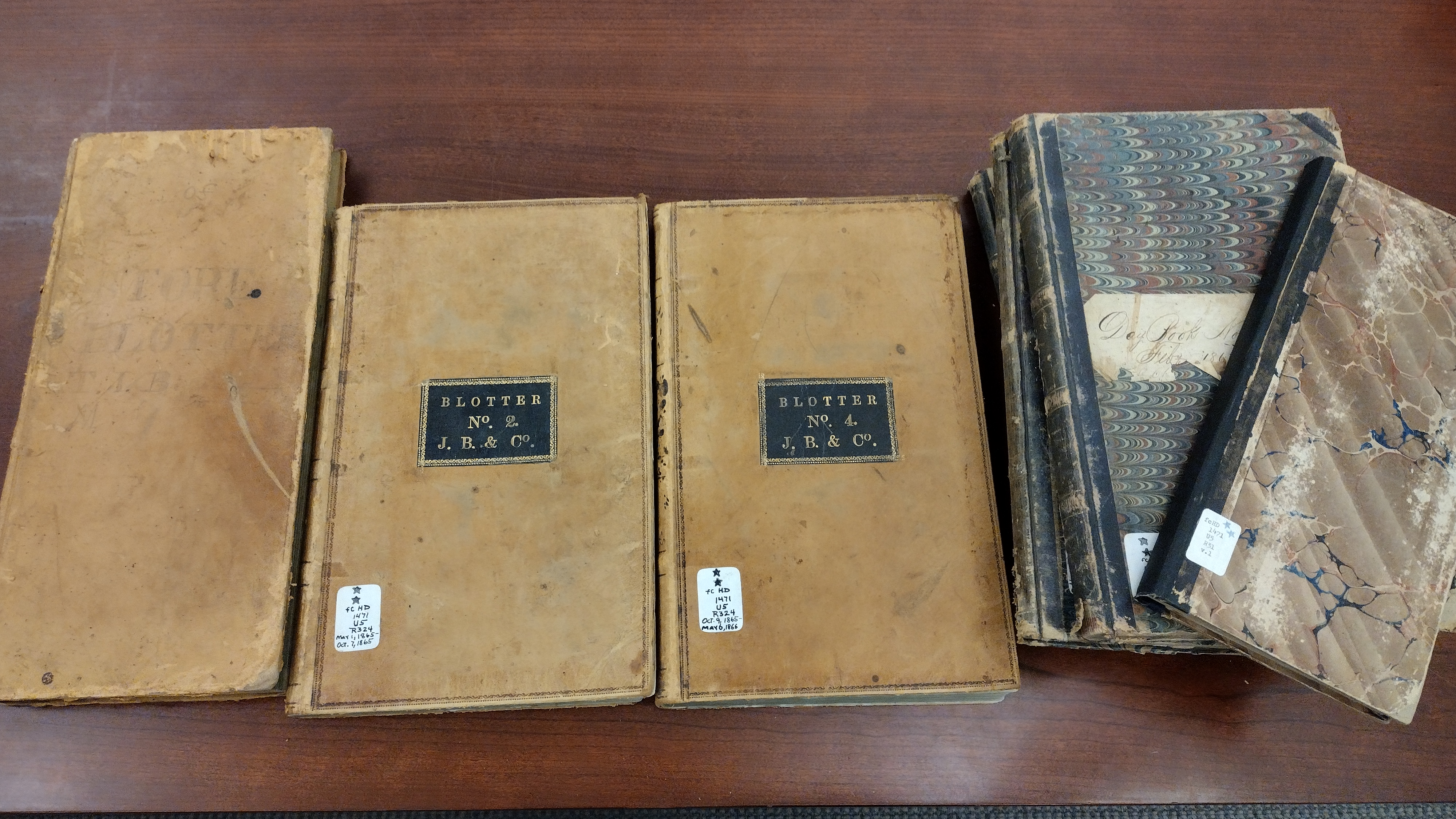
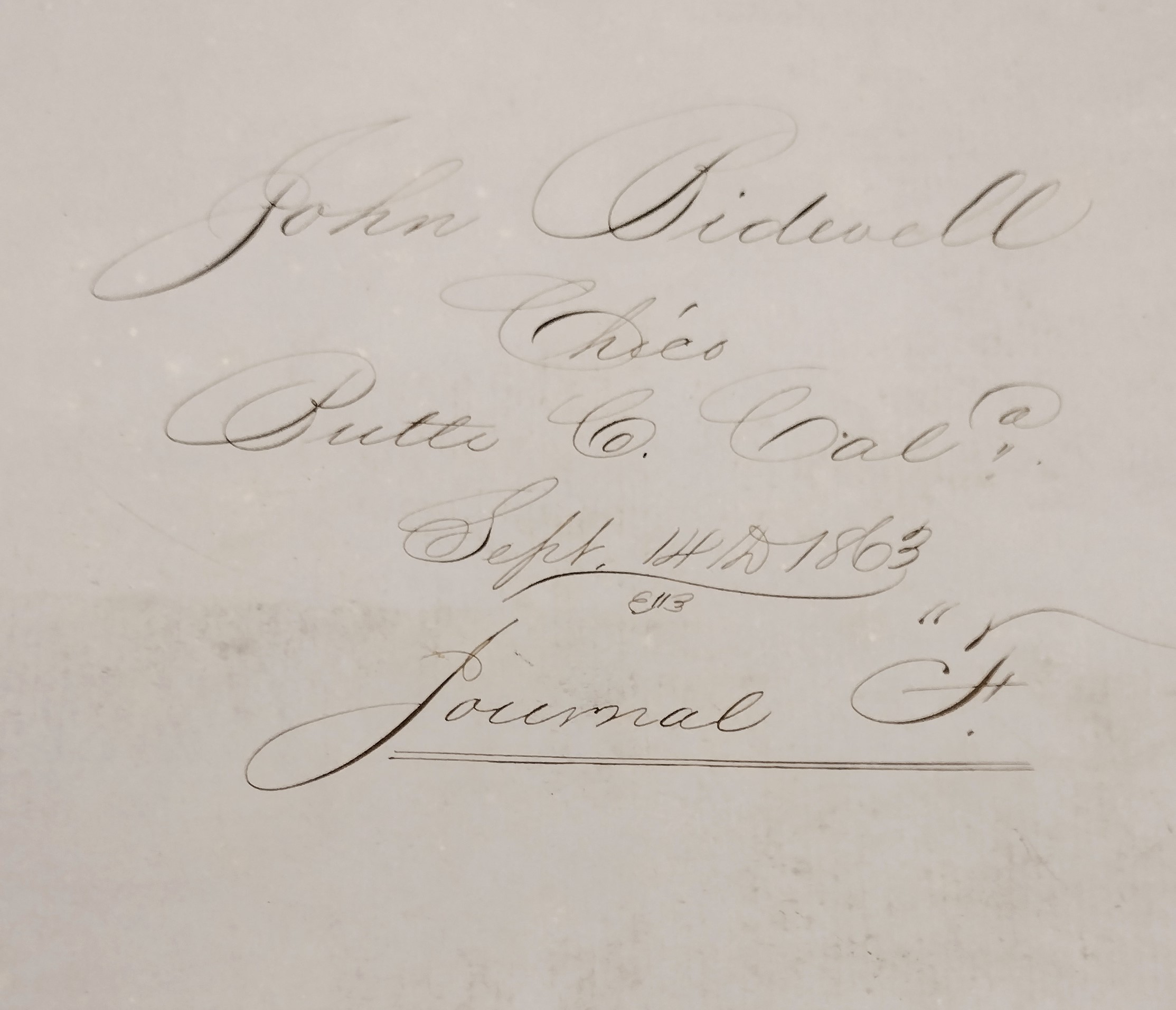
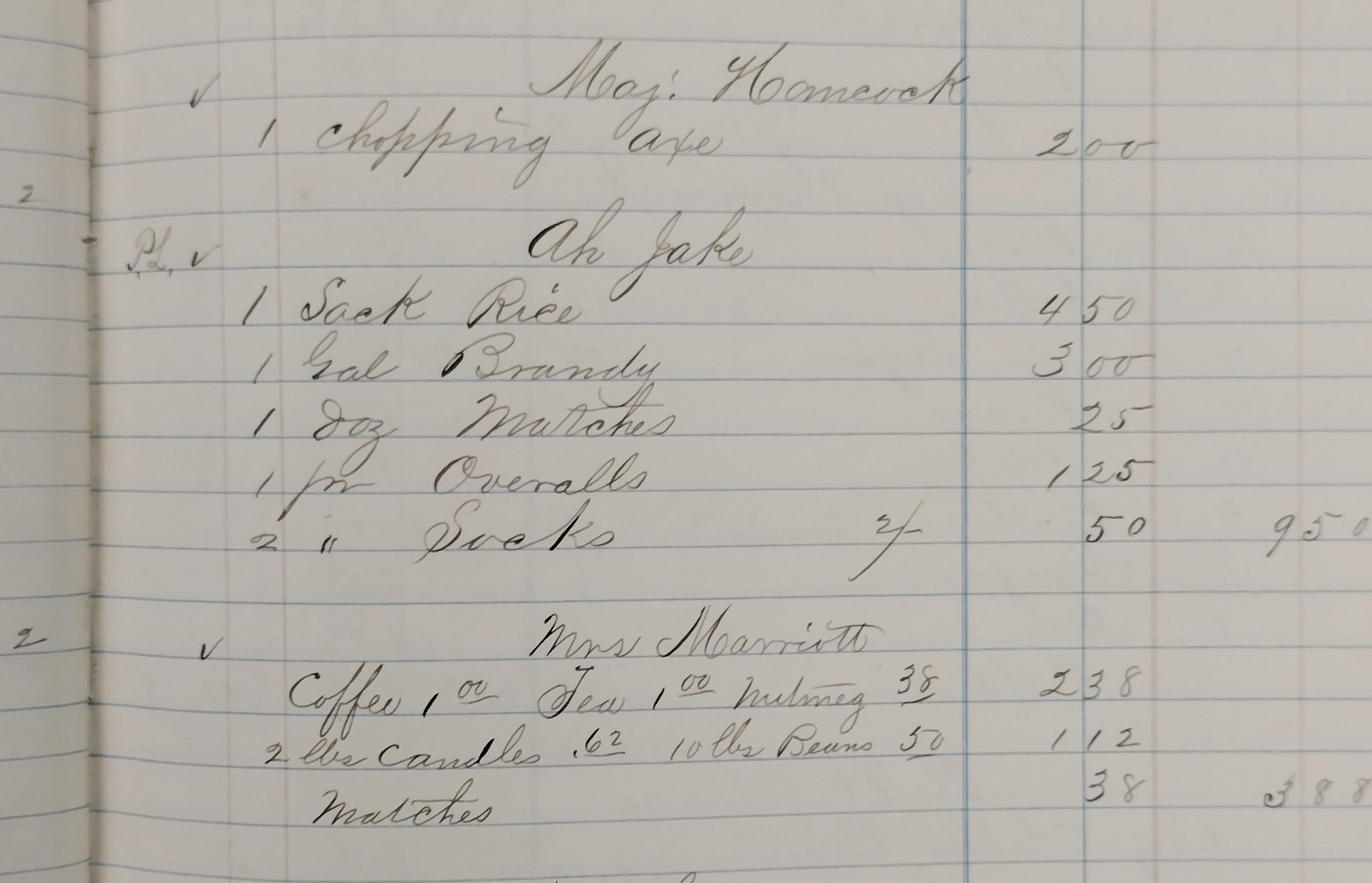
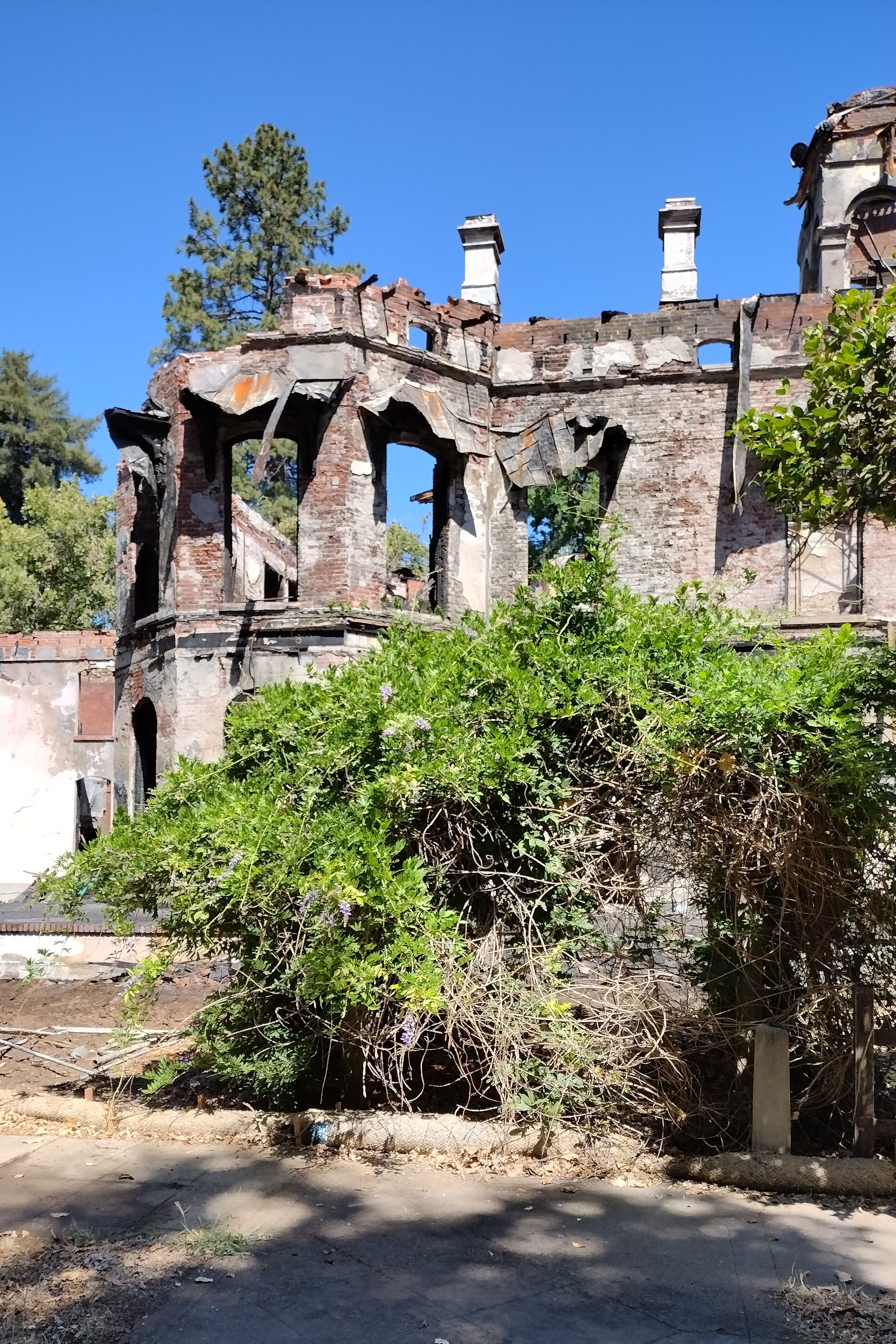
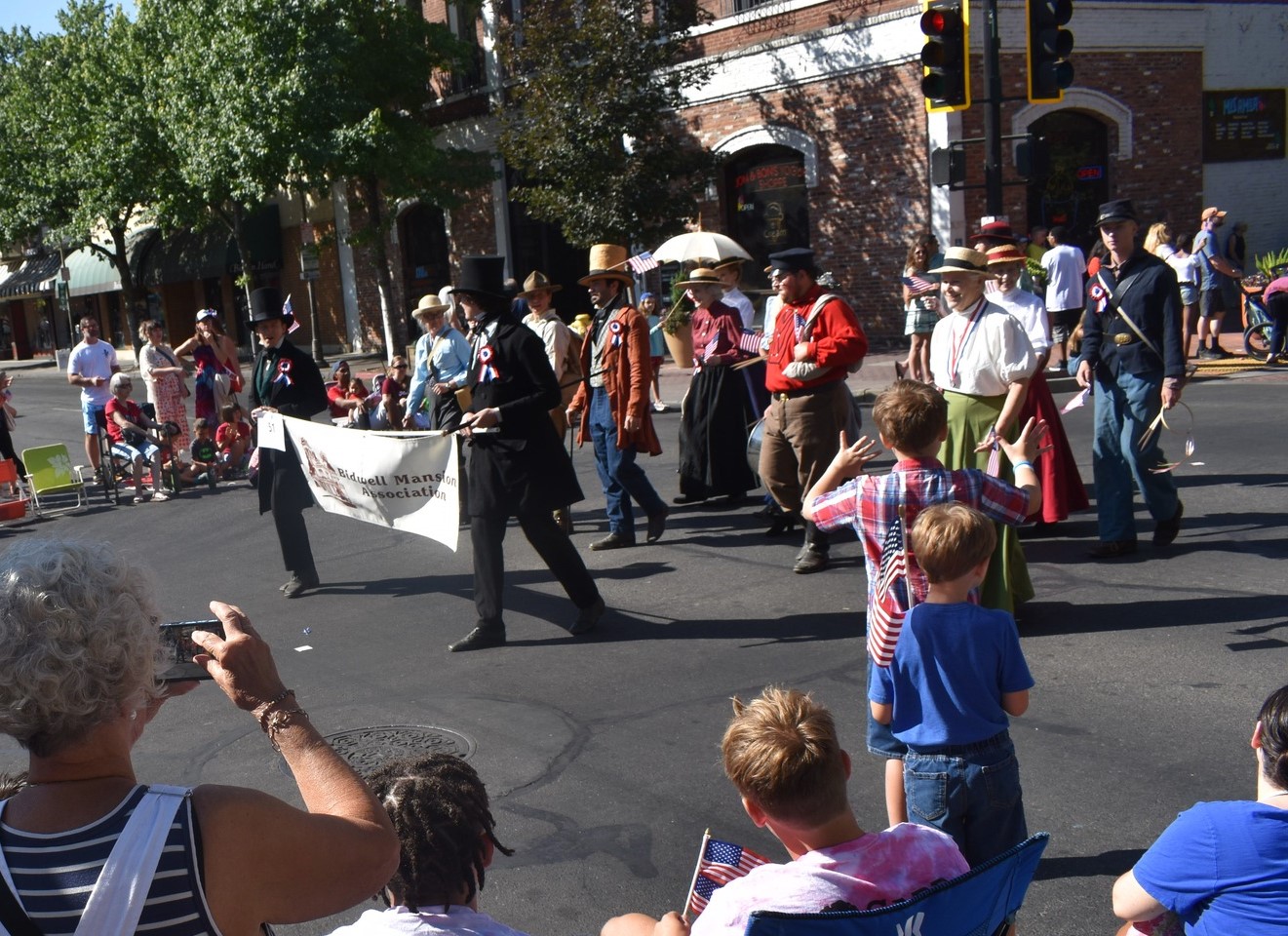
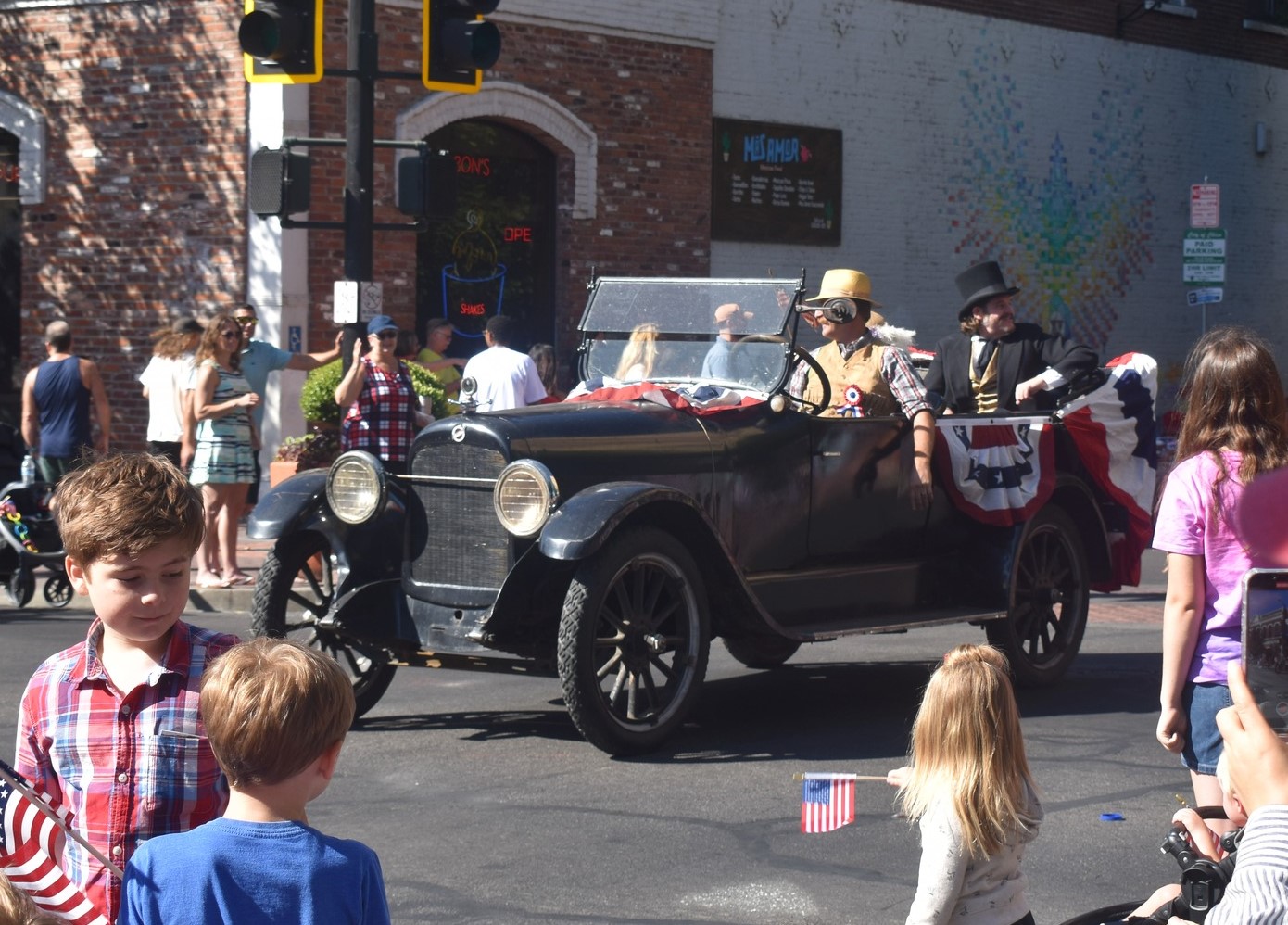
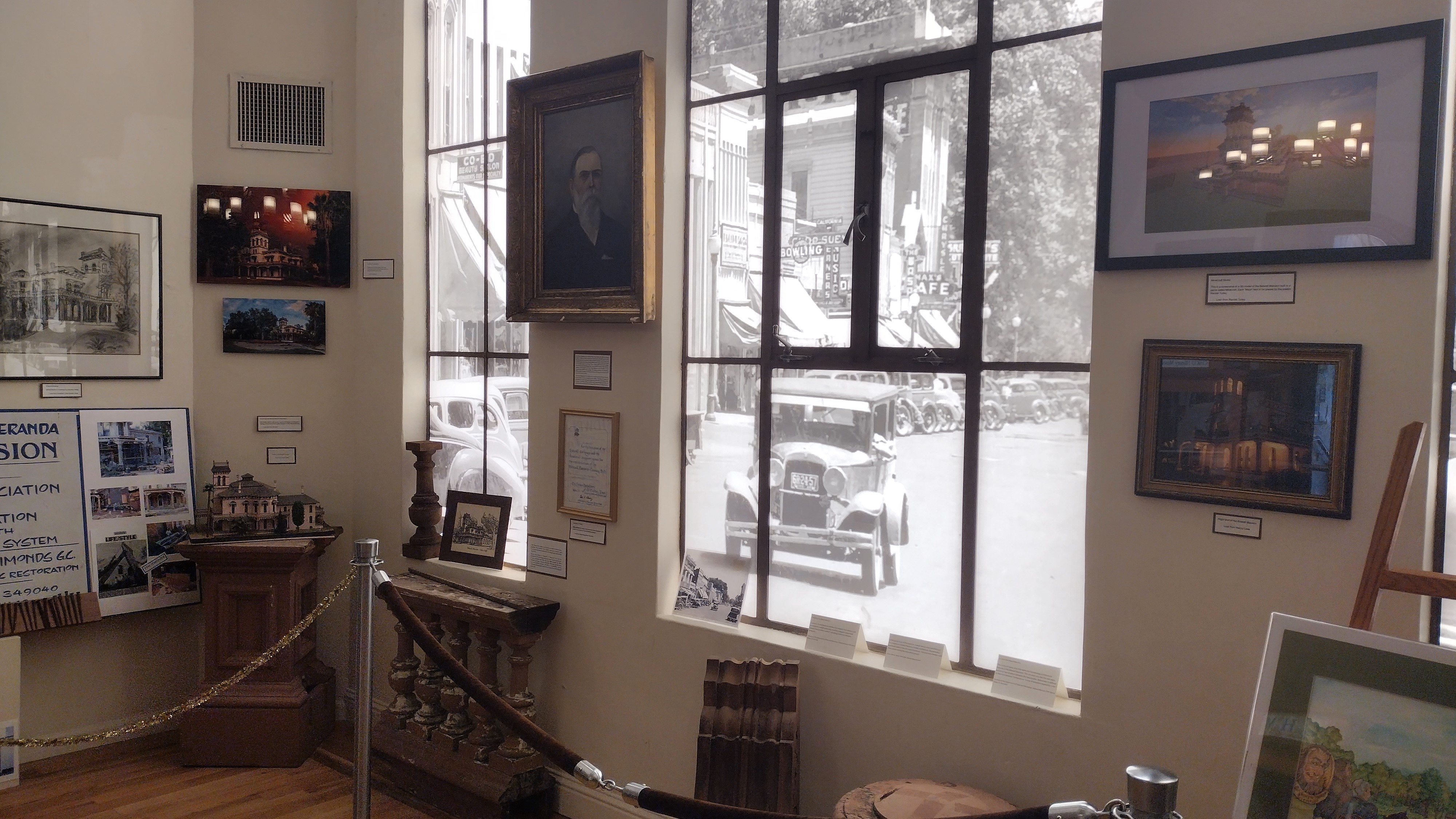
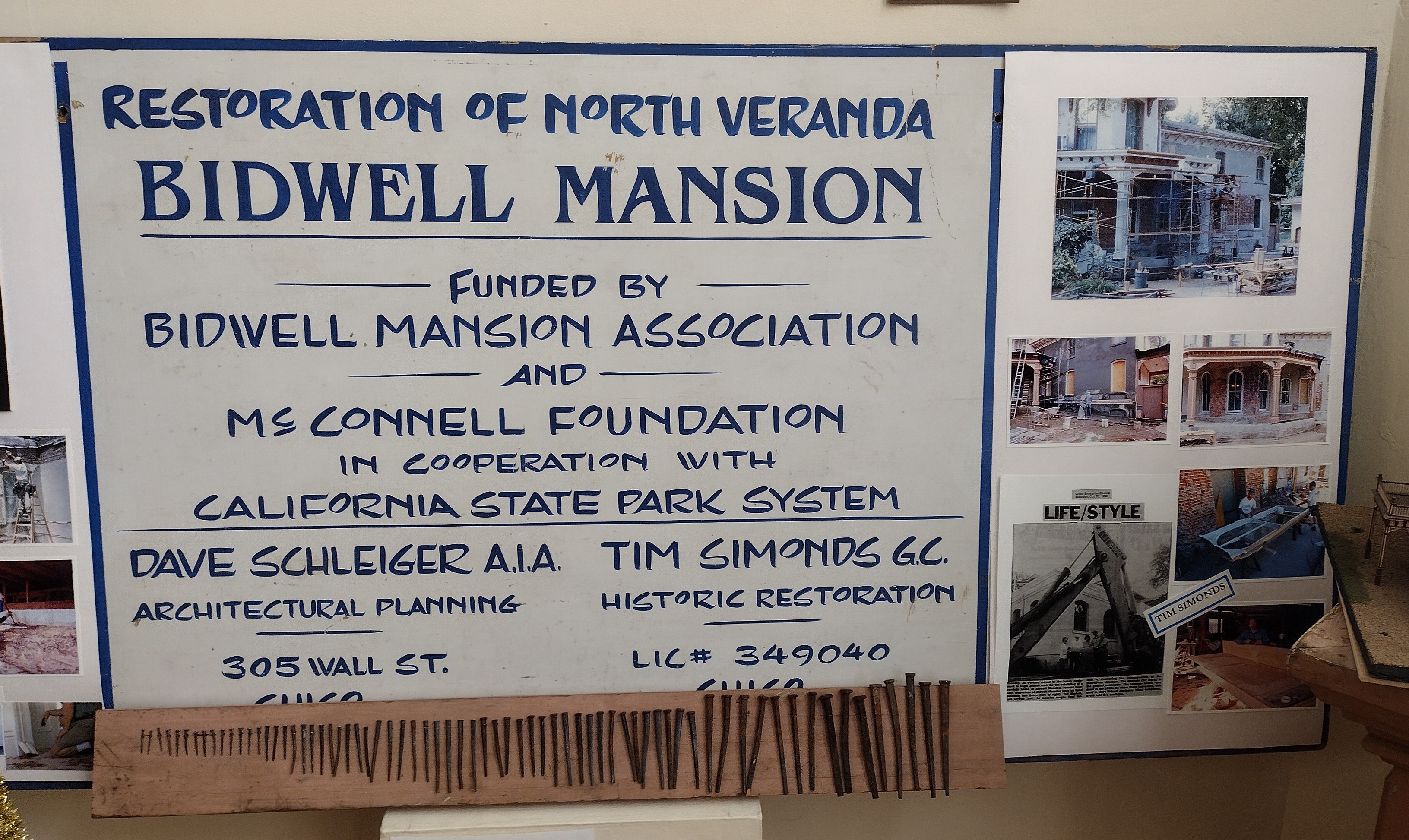
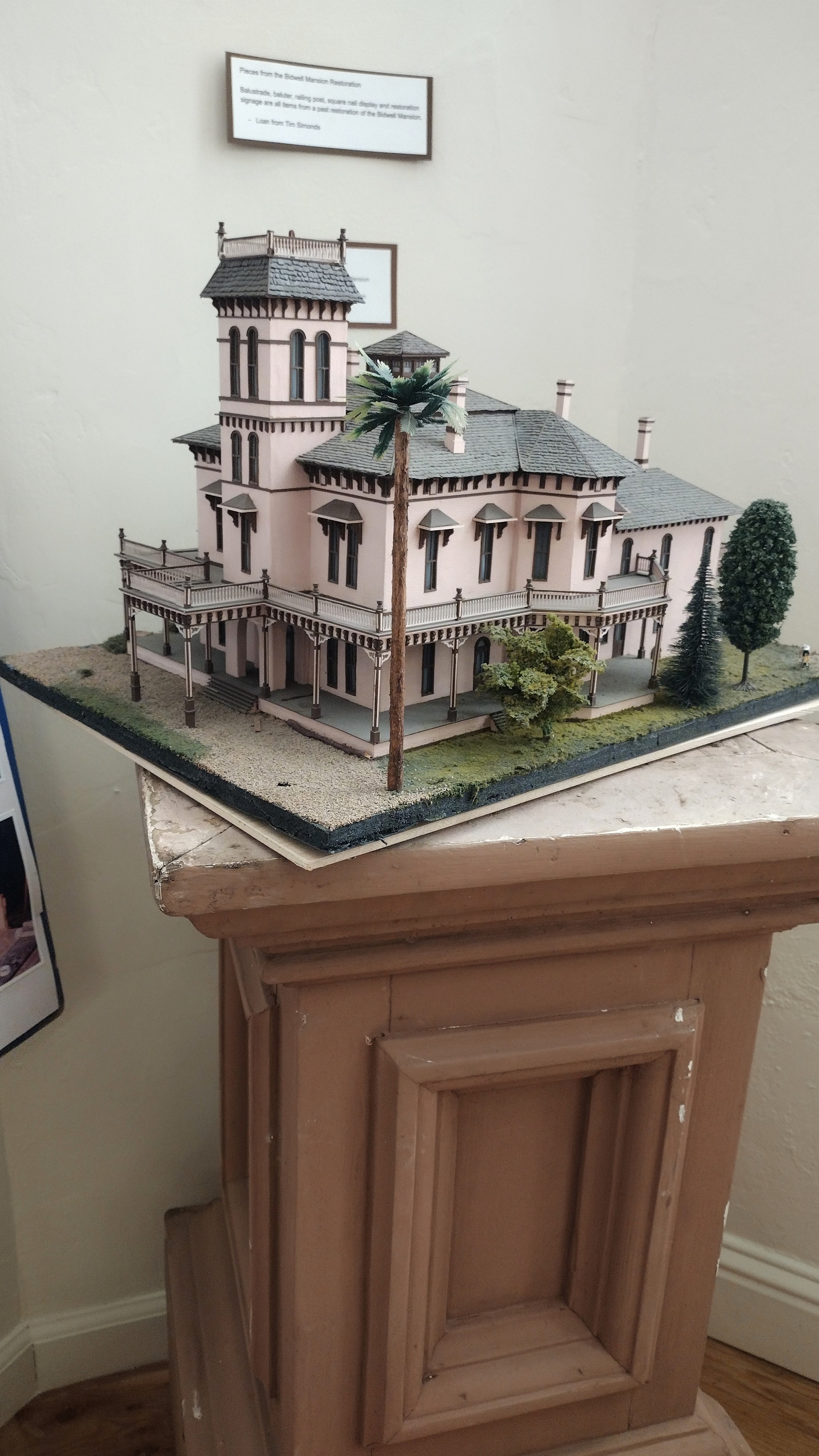
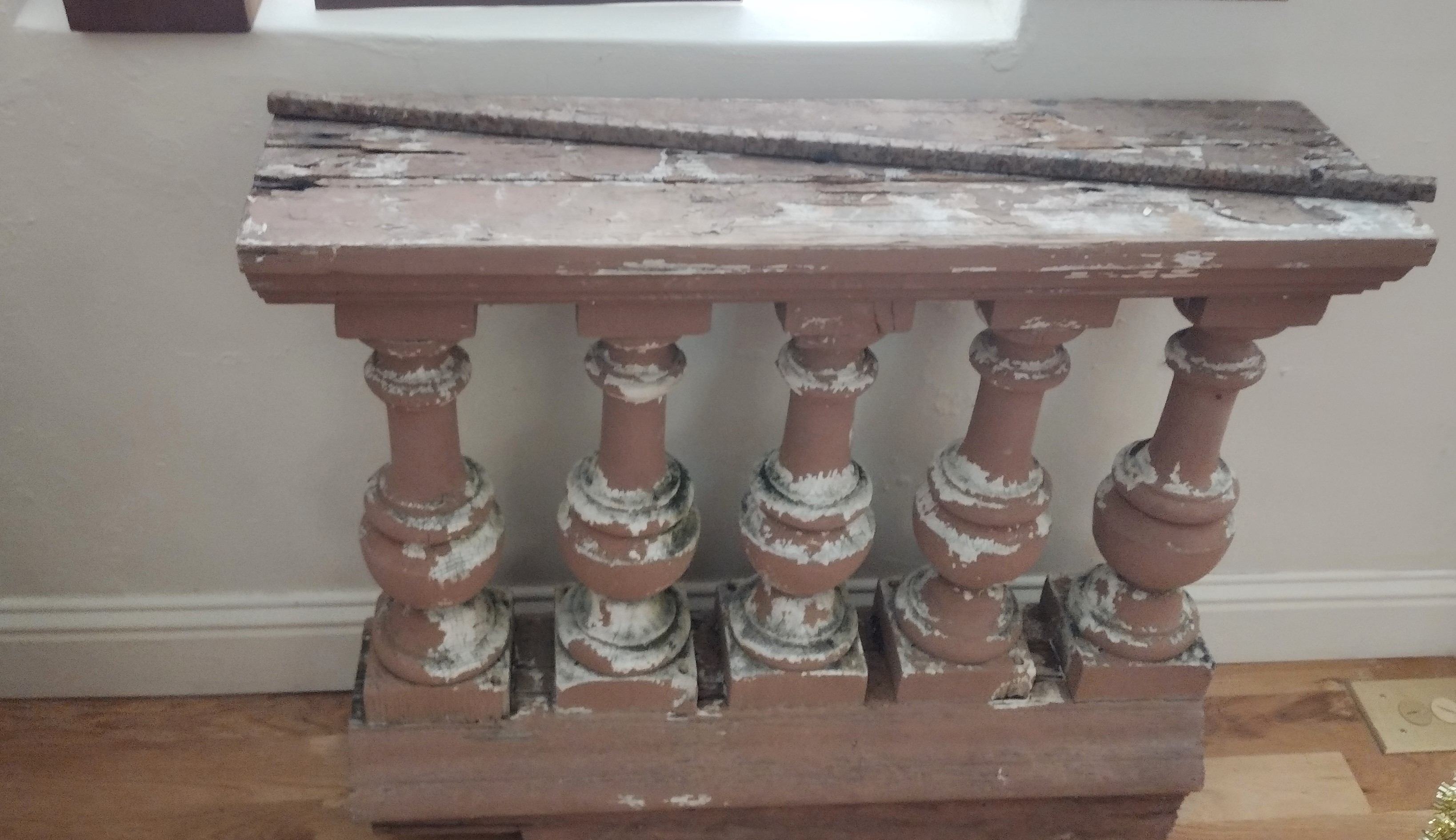
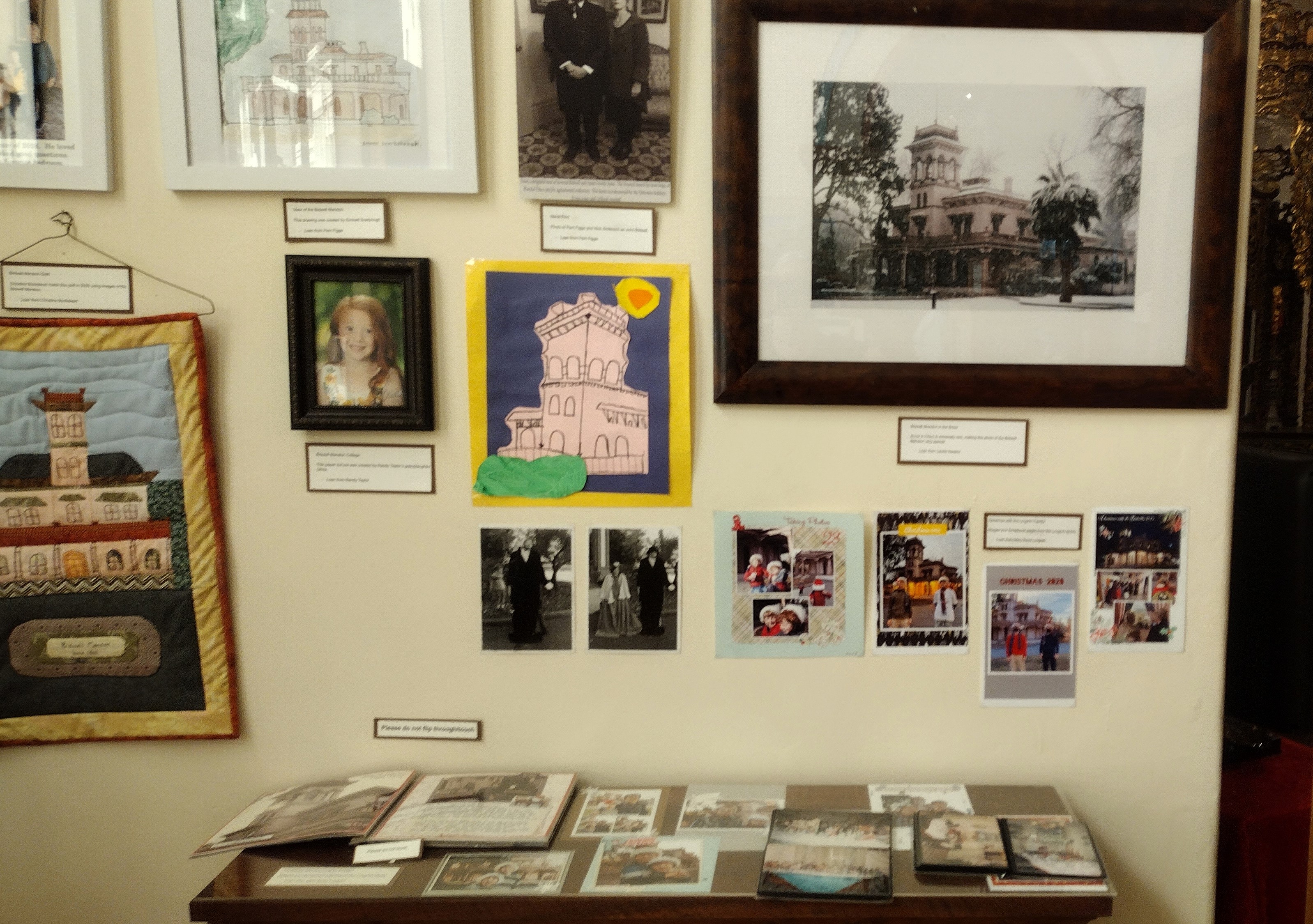
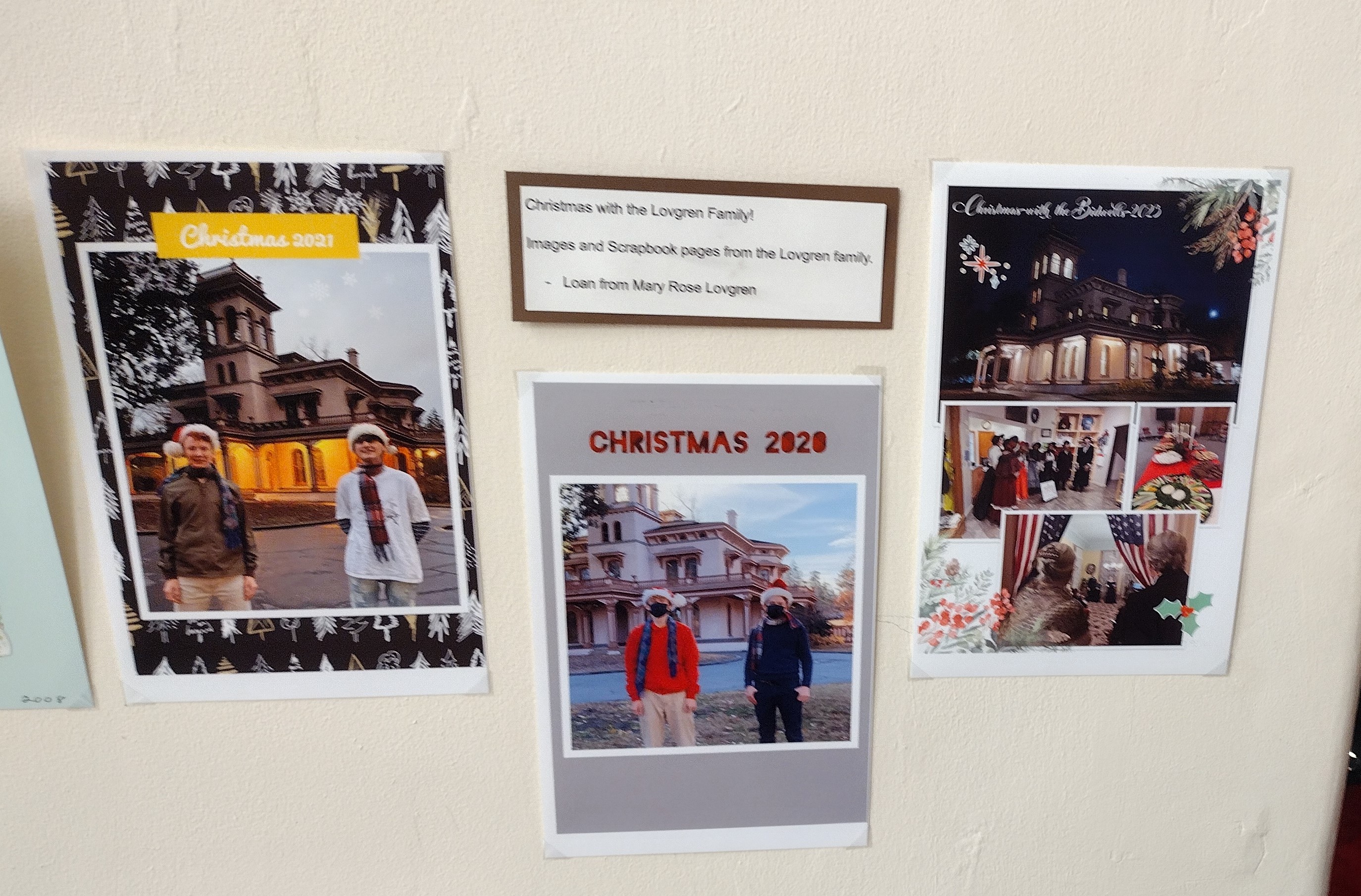
The Chico History Museum has a special exhibit featuring memorabilia from Bidwell Mansion. Gathered and saved by community members, the items in the exhibit reflect on what the Mansion has meant to Chico over the years. The exhibit will only be there during the month of June, so catch it before it’s gone. The museum is open 11-4 Thursday through Sunday.

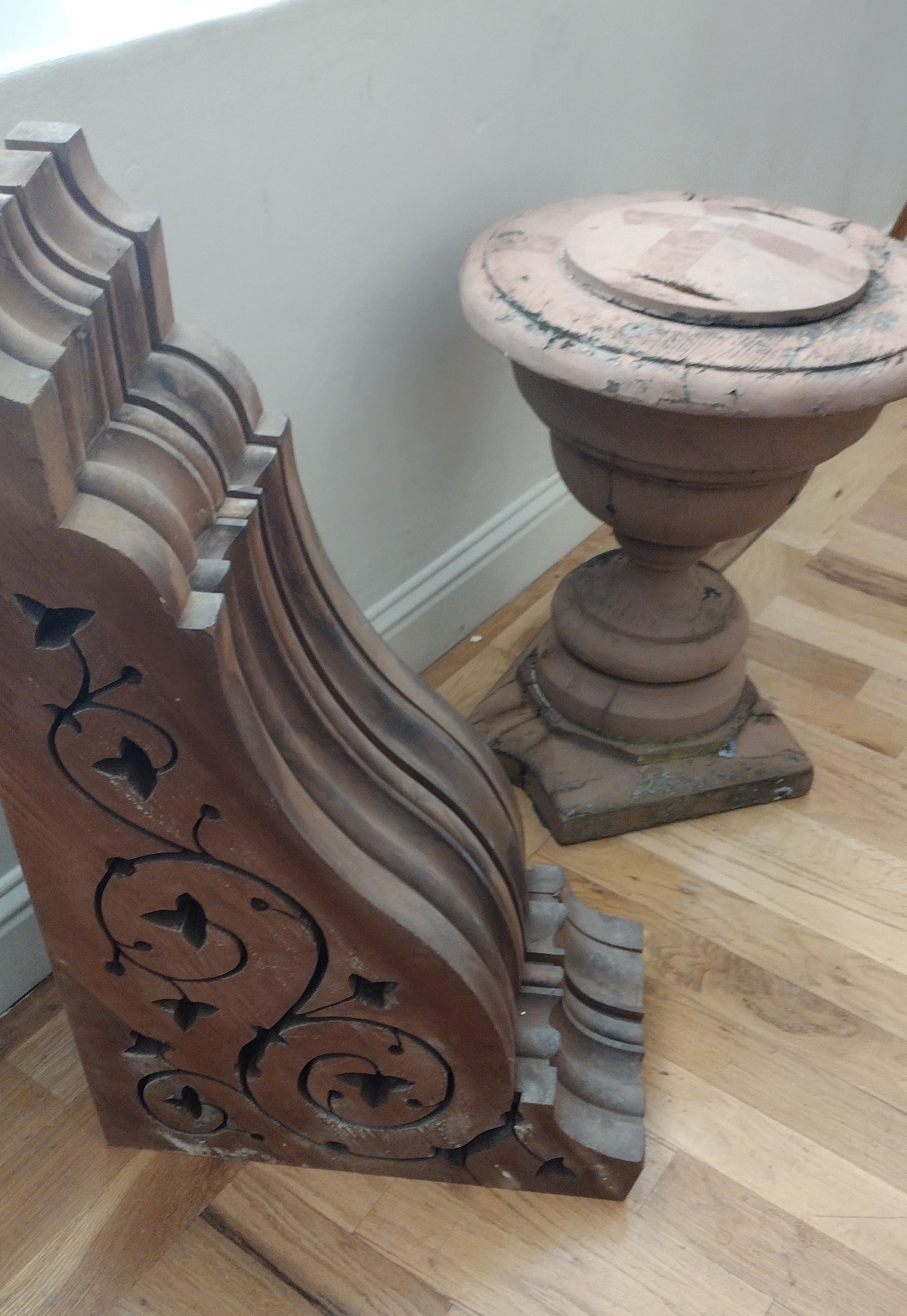
Children’s artwork, family photos, architectural elements, scale models, books and photos are all on display. Here are a few of the items of Bidwelliana you can enjoy.

Plus you can purchase this cool t-shirt!

Come to the Chico History Museum and celebrate the legacy of Bidwell Mansion. Don’t miss it!

Posted in Bidwell Mansion, Uncategorized | Leave a comment

Sacramento Book Festival

If you like books, this is the place to be next Saturday. Peruse books, meet authors, and enjoy a bookish day in Sacramento. I’ll be there with my books, so I hope I’ll see you.

The festival is sponsored by the Sacramento Branch of the California Writers Club and features an impressive list of authors in all genres and for all ages. See their list of authors here. There will also be plenty of yummy food from a variety of food trucks. Something for everyone!

The event is easy to get to. McKinley Park is just off Hwy. 80 between H and E Streets. There is parking at the park and on the street.

If you need more information, take a look at their webpage. Everything you need to know is there. See you soon!

Posted in Uncategorized | Leave a comment

The Ten Commandments According to Hugh Trevor-Roper

Hugh Trevor-Roper (1914-2003) was a British historian best known as the author of The Last Days of Hitler (1947). He wrote extensively on Nazi Germany and on England in the 16th and 17th centuries. His Ten Commandments for History Writers is lengthy, but well worth studying and taking to heart. It is written in the English of the King James Version of the Bible, which he handles accurately and admirably. For those of you in the TL:DR crowd, I’ll summarize by saying that he stresses writing in an orderly manner, with clarity and precision, and always keeping the needs of the reader in mind.

I particularly like commandments eight and nine: visualize your metaphors and listen to the sound of your words. Reading your work aloud is always helpful.

1. Thou shalt know thine own argument and cleave fast to it, and shalt not digress nor deviate from it without the knowledge and consent of the reader, whom at all times thou shalt lead at a pace which he can follow and by a route which is made clear to him as he goeth.

2. Thou shalt respect the autonomy of the paragraph, as commanded by the authority and example of the prophet Edward Gibbon, for it is the essential unit in the chain of argument. Therefore thou shalt keep it pure and self-contained, each paragraph having within it a single central point to which all other observations in it shall be exactly subordinated by the proper use of the particles and inflections given to us for this purpose.

3. Thou shalt aim always at clarity of exposition, to which all other literary aims shall be subordinated, remembering the words of the prophet commandant Black, “clarté prime, longueur secondaire.” [clarity is primary, length secondary] To this end thou shalt strive that no sentence be syntactically capable of any unintended meaning, and that no reader be obliged to read any sentence twice to be sure of its true meaning. To this end also thou shalt not fear to repeat thyself, if clarity require it, nor to state facts which thou thinkest as well known to others as to thyself, for it is better to remind the learned than to leave the unlearned in perplexity.

4. Thou shalt keep the structure of thy sentences clear, preferring short sentences to long and simple structures to complex, lest the reader lose his way in a labyrinth of subordinate clauses; and, in particular, thou shalt not enclose one relative clause in another, for this both betrays crudity of expression and is a fertile source of ambiguity.

5. Thou shalt preserve the unities of time and place, as commended by the High Priest Nicholas Boileau, placing thyself, in imagination, in one time and place, and distinguishing all others to which thou mayest refer by a proper use of tenses and other forms of speech devised for this purpose; for unless we exploit the distinction between past and pluperfect tenses, and between imperfect and future conditional, we cannot attain perfect limpidity of style and argument.

6. Thou shalt not despise the subjunctive mood, a useful, subtle and graceful mood, blessed by Erasmus and venerated by George Moore, though cursed and anathematised by the Holy Inquisition, Pravda, and the late Lord Beaverbrook.

7. Thou shalt always proceed in an orderly fashion, according to the rules of right reason; as, from the general to the particular when a generality is to be illustrated, but from the particular to the general when a generality is to be proved.

8. Thou shalt see what thou writest; and therefore thou shalt not mix thy metaphors. For a mixed metaphor is proof that the image therein contained has not been seen with the inner eye, and therefore such a metaphor is not a true metaphor, created by the active eye of imagination, but stale jargon drawn up from the stagnant sump of common-place.

9. Thou shalt also hear what thou writest, with thine inner ear, so that no outer ear may be offended by jarring syllables or unmelodious rhythm; remembering therein with piety, though not striving to imitate, the routines of Sir Thomas Browne and the clausulae of Cicero.

10. Thou shalt carefully expunge from thy writing all consciously written purple passages, lest they rise up to shame thee in thine old age. [This is otherwise known as “kill your darlings.”]

(Lord Dacre of Glanton [Hugh Trevor-Roper], 1914-2003; historian – Christ Church College, Oxford, 1946-57; and Regius Professor of History and Fellow of Oriel College, Oxford, 1957-80; Master of Peterhouse, Cambridge, 1980-87)

Posted in Uncategorized | Leave a comment

The Historian’s Ten Commandments

I was listening to a podcast from This American Life (April 20) about the Ten Commandments in today’s world. The host, Ira Glass, began the story with examples of other versions of the ten commandments that people have come up with, such as The Miner’s Ten Commandments. Someday it would be fun to write about those.

He mentioned the ten commandments for history writers, and as an amateur historian, I thought I should find out what those are. More than one version is out there — the first one I found is by William B. Hesseltine (1902-1963), a noted American historian who taught at the University of Wisconsin. In my online search, I didn’t find his original ten, but I found a “revised and enlarged” version.

1. Thou shalt not use the passive voice.

2. Thou shalt not use the present voice.

3. Thou shalt not quote anything thou canst say better thyself. Thou shalt not quote to carry thy story. Thou shalt, in short, quote only to season thy story.

4. Thou shalt not pass judgments on mankind in general nor shalt thou pardon anyone for anything.

5. Thou shalt cite material to the standard source.

6. Thou shalt combine footnotes whenever possible.

7. Thou shalt strike thy reader hard with thy first sentence.

8. Thou shalt not use slang–nor split thy infinitives.

9. Thou shalt not use the first or second personal pronoun either explicitly or implicitly.

10. Thou shalt not use the rhetorical question to avoid an intelligent transition.

Someone added these next six commandments, which are helpful, but wordy and too specific. I like the first ten for their concision. Here are the rest of them anyway.

11. Thou shalt set down things as they happen; thou shalt have no references later in time than the subject thou art dealing with.

12. Thou shalt be neither a no-er nor a not-er–i.e., thou shalt avoid negations whenever possible.

13. Thou shalt never use THIS for THE, nor THE for A.

14. Thou shalt never spell MEDIEVAL or RENAISSANCE incorrectly.

15. Thou shalt always capitalize Middle Ages, Renaissance, and Crusades when such terms refer to a specific historical period.

16. Thou shalt never capitalize medieval or renaissance when they are used as adjectives; neither shalt thou capitalize the names of centuries.

Which of these commandments am I guilty of breaking? #1 — It’s easy to fall into the passive voice as a way of sidestepping responsibility. #3 — I am editing a book with many violations of this commandment (i.e.; far too many quotations) so my job is to work them into the narrative. #10 — See how I started this paragraph with a rhetorical question? Probably shouldn’t do that.

I like #7. I am not by nature a hard-hitting writer so I’ll keep this in mind. I went looking through some history books on my shelf for a great first sentence. Here is Jon Meacham in And There Was Light: Abraham Lincoln and the American Struggle: “The storm had come from the south.” That’s from the prologue (p. xvii). Chapter One begins: “The roads were rough, the conversation unusual.” (p. 5) Those are sentences, short and punchy, that pull the reader in.

Next time: The Ten Commandments of historian Hugh Trevor-Roper

Posted in Uncategorized | Leave a comment

A Lady Book Agent (10) — Trouble in Stockton

One last story from Amy Likins, the lady book agent—

One day in 1872 she was going about her rounds in Stockton, filling orders that she had taken on a previous trip. (Every sale required two trips for a book agent — one to take the order and one to deliver the book or engraving.) After filling all her orders she set out for the “Flouring Mill.”

On the way, I noticed a policeman following me, but did not care, as I knew I had not been guilty of any crime. At the Mill I offered the engraving for sale; when I came out the policeman stepped up to me, and said, “Madam, have you a license?” I told him no, that I did not require any. He replied, ” You will have to come along with me, and we will see about that. If you don’t come along peaceably, I will have to arrest you.”

I acknowledge I was angry, and somewhat frightened. I was then forty-three years old, and had never been in a lawsuit of any kind, and always had a great horror of them. I told him I would go with him to the City Attorney’s office, for I knew he would see justice done me.

She knew the City Attorney would treat her with justice, since she had met him earlier that morning, and had “learned that he was a Mason and an Odd Fellow, and had taken the Rebecca degree.” Nevertheless, it was an humiliating ordeal to go through the streets, looking like she had been arrested by a policeman.

As I walked up the street, with him close beside me, also the usual battalion of urchins that are always ready to gather around when there is a disturbance of the peace, I was so hurt and mortified, that, by the time I reached the Attorney’s Office, it was awhile before I could tell him of my situation, for weeping. He tried to cheer me with his kind words, saying he thought I did not require a license, but he would go and see the County Clerk. The policeman seemed bewildered, and could not understand why the attorney should take such an interest in me. This was the second time the Rebecca degree had been beneficial.

Bidding me remain in his office, he went out, but soon returned, saying it was all right, I did not require a license; also, said the policeman ought to be made to pay me for the time I had lost. I thanked him for his kindness, and went to the Hotel, for my mind was in no condition to battle with the rough trials of canvassing.

The next day she set out to visit the State Insane Asylum, not only to seek orders from the staff, but also to view the inmates and their accommodations. This was considered a perfectly acceptable thing to do at that time.
Laurence & Houseman photograph of the Stockton Insane Asylum c. 1870 , Society of California Pioneers

She met the doctor in charge who gave her “permission to go through the Ladies’ Department, and over the grounds” and sent her with an attendant to find the “Supervisoress.” On her tour she saw the rooms, “scrupulously clean,” and “many ladies sitting around ; some of them looking very melancholy, with downcast eyes, seeming to be unconscious of anything that was passing; others were laughing and chatting, and looked and acted rationally.” She was told that one woman she met, dressed in finery, thought she was a great queen, and another who filled her room with paintings, thought herself a great painter.

The attendant offered to take me to some of the rooms where the patients were violent. I thanked her, and said I did not wish to go. I have visited the Asylums in Lexington, Kentucky, and Columbus, Ohio. In each I saw many lady patients, and I must say of all the insane people I ever saw, there were not any of them had a good shaped head.

Amy was, no doubt, a believer in Phrenology.

 When we reached the hall below, I thanked the attendant and took my leave. As I passed out through the grounds, I could hear the screams of the raving maniacs, in both the ladies’ and gentlemen’s departments. I then took a solemn vow that I would never again visit an Insane Asylum, unless I should be so unfortunate as to have some friend or relative confined there.

A sad end to the lady book agent’s trip to Stockton.

There accounts have only taken us halfway through the Six Years Experience as a Book Agent. If you want to read more on your own, the book is available at the Internet Archive and the Library of Congress.

Posted in Uncategorized | Leave a comment

A Lady Book Agent (9) — A Heart-Smashing Encounter

Amy Likins must have gotten used to dealing with drunks and mashers. In San Jose she had this encounter–

While working there, I met on the street one day a widower; he was a Missourian, a fair specimen of southern chivalry, with light hair and blue eyes, which spoke volumes of love as they looked into mine. Using all the persuasive powers he possessed, which were not many, for me to accompany him to his ranch, a few miles from San Jose, he told me he knew I would make a good stepmother, for I was the mildest and pleasantest old maid he had ever met, and would give me a good home, so I would not have to go around the streets, peddling books for a living. While he was making this long, heart-smashing speech, I stood all attention, now and then smiling, which seemed to give him courage, for he was awfully bashful; I could not tell whether he blushed or not, for when I first met him his face was so red from the effects of the tangle-log whisky he had drank.

I told him my husband might object to his proposition. At this he seemed very much surprised, and said, “Why, are you married?” I told him I had been for seventeen years, to which he replied, ” darn them fellows, they said you were an old maid, and on the marry.” I told him he had better return to his jolly friends, and acknowledge himself sold; probably they would treat him, for after such a long love-making harangue, he must certainly be dry; bidding him good day, I continued my work.

I must say, I admire Amy’s dexterity in dealing with these men. But she was equally cool when dealing with insults from women. Here she is in Gilroy, meeting two Southern women in the hotel parlor. The younger woman was hoping to get a position as a schoolteacher, and the elder woman was her mother.

She tried to find out my business in Gilroy, but I did not give her any satisfaction. She would look at me sharply when I avoided her questions, and finally turned to her daughter, saying, “Sal, that poor critter is to be pitied, for she is mighty deaf, and not got much larning no how.”

She then crossed the room to the table, where I had laid my engravings, picked up the sample copy, took it close to the window, and put it to her eyes, as though she thought it was an opera glass, unrolled it, saying, “Humph! picture, hey?” came to where I was
sitting, held it up before me, screamed in my ear, until it made me jump, ” Peddling, I reckon.” I looked at her in amazement, but made no reply.

She returned to the window, saying, ” That’s mighty queer how she peddles; Sal, what’s that thare reading ?” Sal took the engraving, looked at the name on the bottom, spelled it over two or three times, and finally drawled out, “Why, it’s old Grant and family, the
darned old thief.” I thought to myself, you would make a splendid school-marm.

The old lady stormed and capered around the room in such a manner, that 1 thought it time to interfere, for I was afraid she would tear the sample copy to pieces. She, at first, refused to give it to me, saying she ” would burn the darned thing up.” I told her it was not mine, that I was taking orders for Bancroft and Company; also, told her I, too, was a Southern woman [Amy had been born in Kentucky], in reduced circumstances, and had to work for, a living. She replied, “No, you ain’t, you’re a darned Yank, an impostor. There ware a heap on you going round in the Southern States, before the war, ‘tending to peddle, all the time stealing [slaves].” She came close to me again, shaking her head, ” I know you ain’t much, else you wouldn’t played deaf.”

Amy wanted to stay in the parlor, by the warm fire, but “I could not endure her abuse, so I gathered up my traps and started for my room, laughing at her as I went, which seemed to enrage her still more.” Her sense of humor served her well.


Posted in Uncategorized | Leave a comment

Gold on the Feather River

John Bidwell was not a Forty-Niner, because he was already on the ground in California when gold was discovered. How, when, and where did Bidwell discover gold?

Join me at the Chico History Museum at 10 a.m.on Saturday, March 29th and I will tell you all about John Bidwell in the Gold Rush. How he drew up the contract for the sawmill where gold was first discovered, how he found gold in the Feather River, his shopping trips to Sacramento and his store at Bidwell Bar, and what he did with his earnings.

With the able assistance of Nick Anderson, I will tell you all about John Bidwell in 1848 and 1849. I hope to see you there!

Posted in Uncategorized | Leave a comment

A Lady Book Agent (8) — loafers, a women’s right advocate, and an old “bach”

Amy Likins was in Sacramento (as related in part 5) when she was treated courteously by “the illustrious and distinguished Governor S.” at the railroad office, and given permission to canvass around the premises, where she encountered “a ruffian under the influence of liquor,” a not uncommon occurrence for the lady book agent.

It took a good deal of stamina and grit to deal with some of the men she meet. She visited the office of the Chief of Police where she “was treated somewhat abruptly by some loafers, who seemed to be just hanging around.” She called them as she saw them. But it took a toll on her spirits.

I then continued on my way to the boarding-house, tired in both body and mind. When once in my room, and reflecting over the occurrences of the day, I could not help weeping. I thought it was a great undertaking to be a book agent.

But she persisted, working in Sacramento for three weeks. She admired the wide, well-shaded streets, the stores full of merchandise, and the Capitol, then under construction. She returned to San Francisco by way of “Davisville,” which has since lost the “ville,” and found it to be “a very small village.”

I found Woodland a beautiful inland town, of, I should judge, about two or three thousand inhabitants, who seemed to be a well raised and intelligent class of people, full of life and energy; every branch of business was well represented. Here I remained two days, meeting with great success among the ladies, for a wonder.

I returned to Davisville, and finished my work; there I took the afternoon train for home. I passed through some fine looking country, also two small villages, which I was told were Fairfield and Suisun.
Woodland in 1873

Don’t you wish you could see these “villages” as she saw them then?

Her next assignment was Santa Cruz. Riding in the stagecoach over the mountains, she admired “the deep forests, with their tall redwoods and many varieties of smaller trees; while beneath their
branches grew large quantities of ferns and flowers, with their many shades and tints.” Her landlady at the Santa Cruz House recommended she visit Mrs. J, “a strong woman’s rights advocator,” who “believed in helping her own sex.” Amy “had not much faith in members of that sect,” but she would give it a try.

The bell was answered by a more than middle aged lady, neatly dressed, and with a smiling countenance, until her eyes fell upon the books that I carried in my arms. Oh, horror! what a change came over her; her face was drawn into more than a thousand wrinkles, as she partially shut the door in my face, so that I could only see one eye, as she told me she supposed I was selling books, and that she had just bought one the day before from one of you agents, and could not afford to spend money every day for books, all the time closing the door a little, while she was speaking, until it was finally closed in my face. She acted very much as if she was afraid of me. I left with the opinion she was not a lady, or at least did not act like one; and my fullest anticipations were realized, as to my being received by the so called woman’s rights advocator.
On to Redwood City, where she sold a book to a gentleman at the lumber yard. Later that evening at the hotel:

When I entered the dining-room, I noticed he was seated at the table. After dinner the landlady told me he was an old bach., and boarded there. “You just wait,” she said, “I will have some fun with him. I will get some of the boys to help me in making him believe you are a widow lady, and try to get him to take you to the ball, which is to come off this evening.”

I told her I did not attend parties or balls while I was canvassing. She inquired my name, and introduced me to said old bach, when he came out from dinner, and someone went so far as to tell him I was a widow; still, we did not, for all that, get up much of a flirtation, nor fall desperately in love with each other, for I think he would not be so easily caught by a stranger, especially a hook agent. I know I did not wish to get rid of my husband; one man is trouble enough, without having two.

I must say I agree!

Posted in Uncategorized | Leave a comment

A Lady Book Agent (7) — Earthquake!

Only a few months after the Likins family arrived in San Francisco they experienced a violent earthquake. The earthquake had a magnitude between 6.3 and 6.7, and took place on the Hayward Fault on October 21, 1868. It was called the Great San Francisco Earthquake until the quake of 1906 came along.

Aftershocks continued for a few weeks. Amy Likins resumed her book-selling and was in Santa Clara when another strong shock hit.

I now concluded to go to Santa Clara and canvass that town, before delivering my pictures in San José. Eight o’clock in the evening found me seated in the ladies’ parlor at the hotel, conversing with the landlord concerning the severe shock of earthquake we had two weeks previous.

I thought, if the Lord spared me, I would not stay another night in a brick house. I had partially undressed when the house commenced shaking. Frightened all but to death, I scarcely knew what to do; but found myself in the door-way with the candle in my hand, thinking I must not go into the street in this condition. There came a second shock. I blew out the light, threw it on the floor, and rushed into the street, not caring how I appeared. It was full of people. Some of them looked at me curiously; but I drew my shawl close about me and stood my ground, nor could I be persuaded to return to my room. The clerk brought me my shoes and baggage, and took me where he knew I could obtain lodgings, to a lady’s, a few doors away. She gladly offered me shelter, as her husband was away from home, and she was very lonely. 

There were several light shocks after I had been there. Next morning, many joked me about my appearance the evening previous, especially Mr. W., who said he never would forget how comical and frightened I looked.

What a welcome to California!

Posted in Uncategorized | Leave a comment

A Lady Book Agent — part 6

And here she is! Or should I say, “Here I Come,” since that’s what Mrs. J. W. Likins says herself on the picture. Six years of selling books had given Amy Likins plenty of confidence.

This is the title page of her book, first published in 1874, and reprinted by the Book Club of California in 1992. The text can be accessed online at the Library of Congress (that’s what I have been using for my excerpts), but the online transcript does not include the illustrations.

To see the illustrations I had to go to the History Room of the California State Library, never a hardship for a history researcher. I had several other things to look for, but first I had to find this book.

In her memoir Mrs. Likins included the story of their trip to California by the Nicaragua route. This was an alternative to crossing the Isthmus of Panama, but actually a very similar experience. Their steamship landed at “Greytown” (San Juan de Nicaragua) and they transferred to a smaller steamer named the “Active.”

The steamer was a small coaster with no cabin or accommodations whatever. There was a heavy sea, and the little steamer seemed to have all she could carry, but still battled with the waves that seemed to threaten her destruction at any moment: at every surge she seemed to crack, and sound as though she would break to pieces.

She was named the ‘Active’, and I think it a very appropriate one too, for nearly all on board soon became very active, and seemed as though they would throw up even their boots; but I will not jest about it. All the benches were occupied by ladies, lying down, groaning and moaning. The strongest man reeled, while others weaker soon became so sick that they lay on the bare floor, in all the filth and dirt—among them my husband. I was seated on some baggage, watching and tending my little girl, who was so white and limp I was afraid she would die.

The illustrations are crude, but nevertheless a delightful addition to the narrative. More to come.

Posted in Uncategorized | Leave a comment