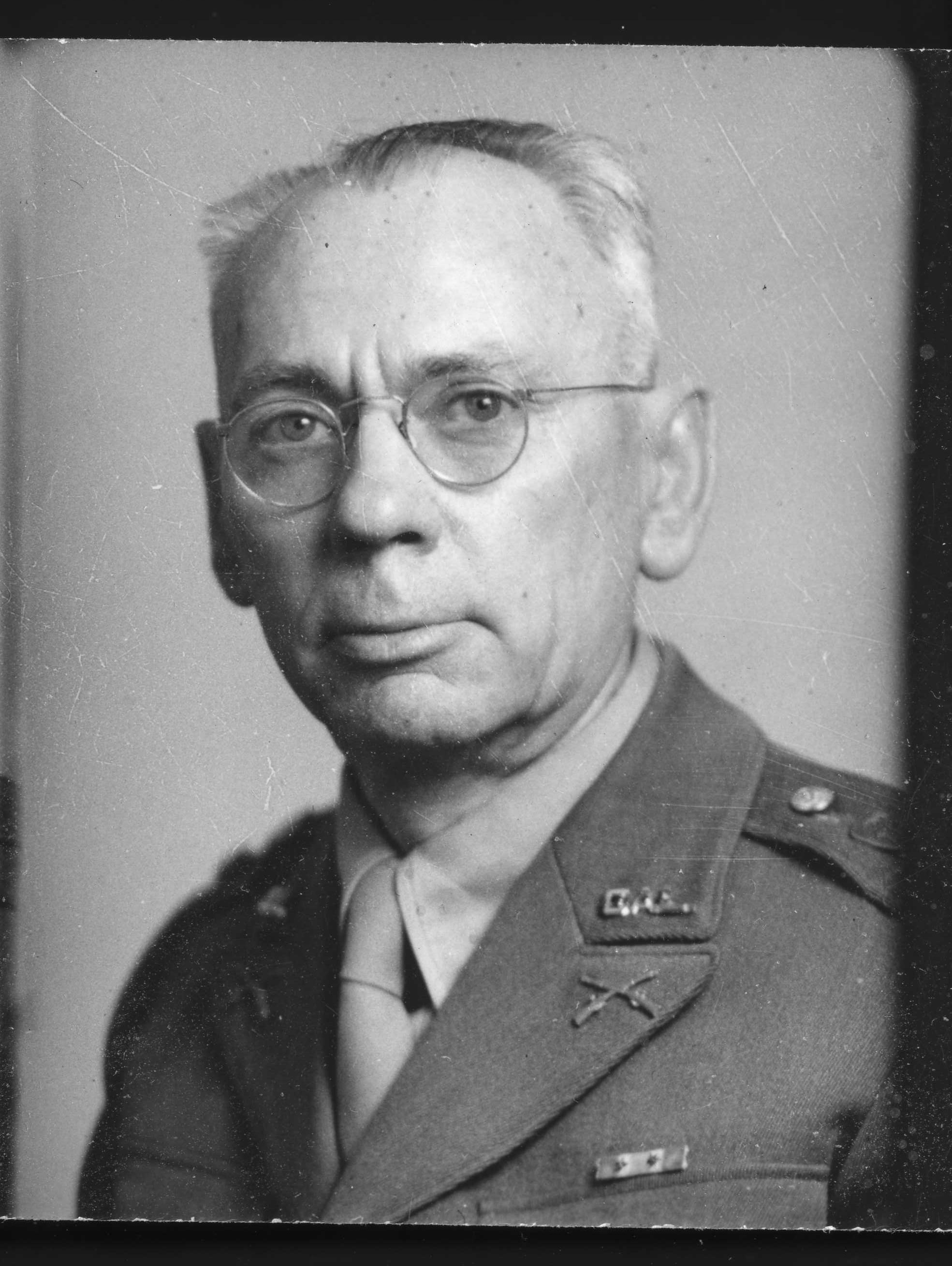
My husband’s grandfather, George Robert DeBeque, was a veteran of the First World War. He was commissioned on June 28, 1917 and served in France as a captain in the Engineer Corps, having been a mining engineer in civilian life.
He kept a diary during the war, writing his entries in small, neat script. His entry for November 11, 1918 reads:
At office early. Terms of armistice have been accepted and was signed about 5 A.M. this morning. S.O. 20 of this Army is being proposed now (8:30 A.M.) and will order to cease firing on the line at 11 A.M.
#
Was at headquarters of 4th Corps at ___ville just before noon. A few minutes before 11 o’clock our artillery opened up with full force — must have turned every gun loose. A farewell shot for the Boche. At 11 o’clock firing ceased on both sides — and thus ended the “Great War” the bloodiest and most frightful and cruel catastrophe that has ever befallen this world. Let us hope and pray that its frightfulness will never be repeated.
The Kaiser, the author of all this murder and misery, has abdicated and has fled to Holland, like a dirty, cowardly cur. On the road back to Toul all the soldiers were happy, singing and shouting — Poilus, Yanks, and Italians.
The big guns cease to boom along the front.
(Toul is a town in northeastern France. Poilu (literally, “hairy one”) was a nickname for a French soldier.)
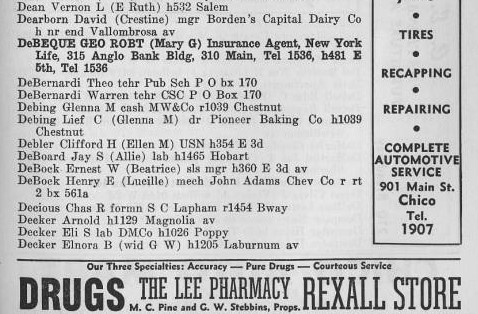
After the war Robert DeBeque went back to his home state of Colorado, where he resumed his profession of mining engineer. He went down to Mexico in 1920, but left when the revolution of 1921 got too hot for foreigners. In 1923 he married Mary Grace Baker, and they moved to Grass Valley, California. When mining took a downturn in the Great Depression, Robert began selling insurance. In 1942 they moved to Chico, California, where they lived until his death in 1956.