The weather was dry and the grass was brown when John Bidwell arrived at John Marsh’s ranch near Mt. Diablo in early November, 1841. But it was not long before the rains came. Bidwell tells the tale:
We had already heard that a man by the name of Sutter was starting a colony a hundred miles away to the north in the Sacramento Valley. No other civilized settlements had been attempted anywhere east of the Coast Range; before Sutter came the Indians had reigned supreme. As the best thing to be done I now determined to go to Sutter’s, afterward called Sutter’s Fort, or New Helvetia.
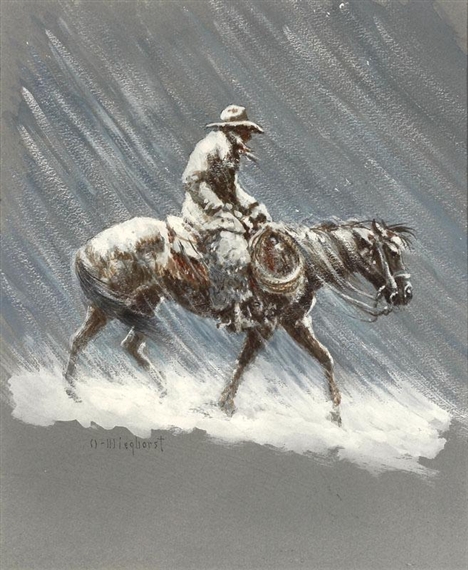
Dr. Marsh said we could make the journey in two days, but it took us eight. Winter had come in earnest, and winter in California then, as now, meant rain. I had three companions. It was wet when we started, and much of the time we traveled through a pouring rain. Streams were out of their banks; gulches were swimming; plains were inundated: indeed, most of the country was overflowed. There were no roads, merely paths, trodden only by Indians and wild game. We were compelled to follow the paths, even when they were under water, for the moment our animals stepped to one side, down they went into the mire. Most of the way was through the region now lying between Lathrop and Sacramento.
We got out of provisions and were about three days without food. Game was plentiful, but hard to shoot in the rain. Besides, it was impossible to keep our old flint-lock guns dry, and especially the powder dry in the pans. On the eighth day we came to Sutter’s settlement. This was November 28, 1841; the fort had not then been begun. Sutter received us with open arms and in a princely fashion, for he was a man of the most polite address and the most courteous manners, a man who could shine in any society.
So the next time you are driving down I-5 in your comfortable vehicle, on a 60-mile journey from Sacramento to Lathrop that only takes about an hour, think of Bidwell and his eight soggy and hungry days in the saddle, on the way to his future.
(Excerpt from “Life in California Before the Gold Discovery,” published in The Century Magazine in 1890 and reprinted in Echoes of the Past in 2000.)