September 16, 1841 — Wagons Abandoned

Thursday, 16th. All hands were busy making pack saddles and getting ready to pack. While thus engaged an Indian, well advanced in years, came down out of the mountains to our camp. He told us by signs that the Great Spirit had spoken to him to go down upon the plains in the morning, and on the E. side of the mountains he would find some strange people, who would give him a great many things. Accordingly, he had come.

We gave him all such things as we had intended to throw away; whenever he received anything which he thought useful to him, he paused and looked steadfastly at the sun, addressed him in a loud voice, marking out his course in the sky, as he advanced in his invocation, which took him about 2 minutes to perform. As he received quite a number of articles, it took him a considerable part of the day to repeat his blessings. No Persian, in appearance, could be more sincere.

“Cheyenne” Dawson well remembered the same incident. According to him:

As we neared a beautiful little fresh water lake in the valley, we were astonished to see, coming to meet us, laughing and making gestures of extravagant joy, an old Indian. He signed that he was expecting us; that he had dreamed of our coming. When we camped he moved his camp near ours and went from mess to mess, making us welcome, with a countenance full of happiness. The boys began to make him presents of old clothing, pieces of iron, etc. As each gift was made, he would point a bony finger to the east and slowly revolve his hand to the west, apparently mumbling, as he did so, a prayer.

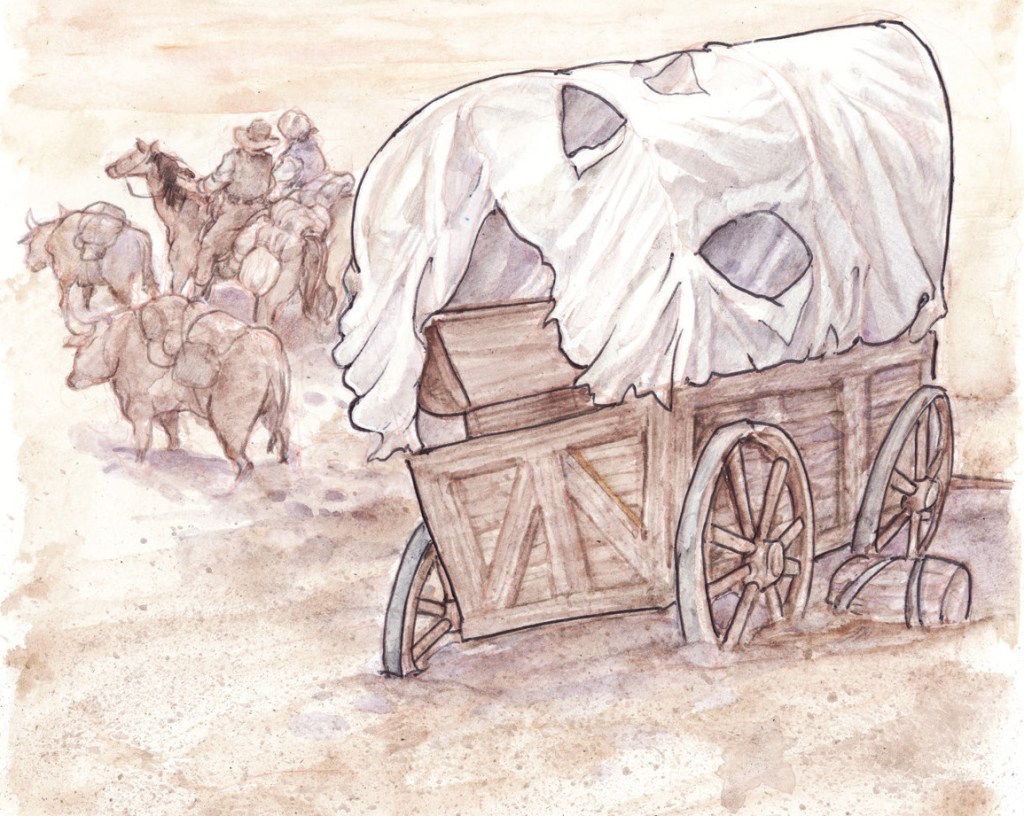
At first they were only giving the Indian a few unneeded items, but then they made the decision to abandon the wagons, and that meant more property to leave behind and more gifts for the old Indian.

We signed to our aged host that the wagons and everything abandoned were his, all his, and left him circumscribing the heavens — the happiest, richest, most religious man I ever saw.
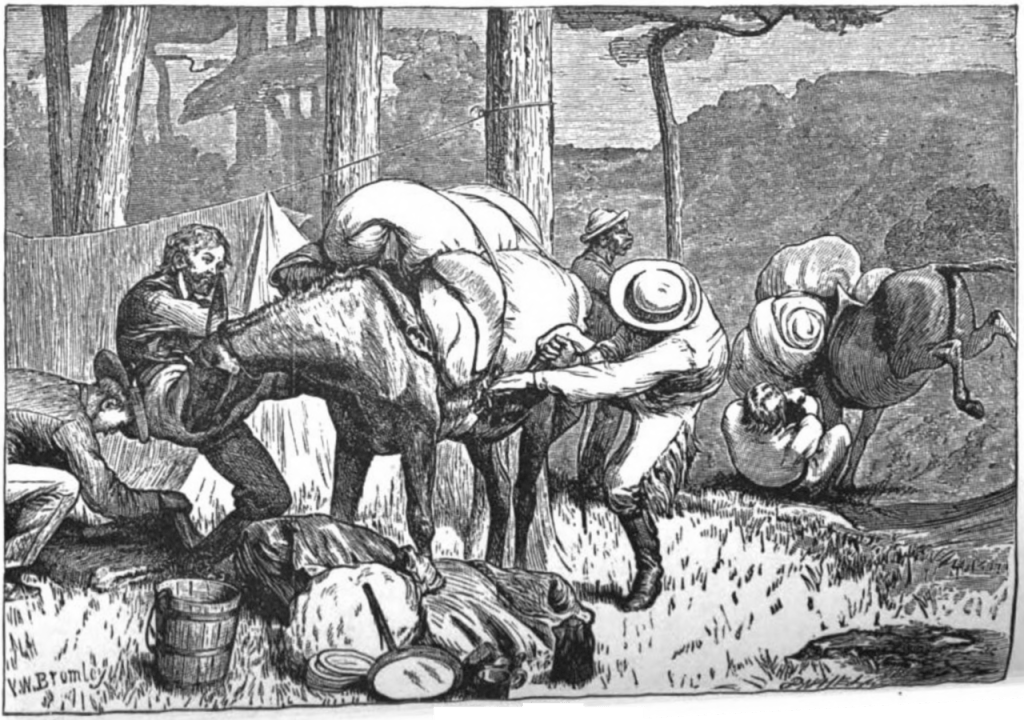
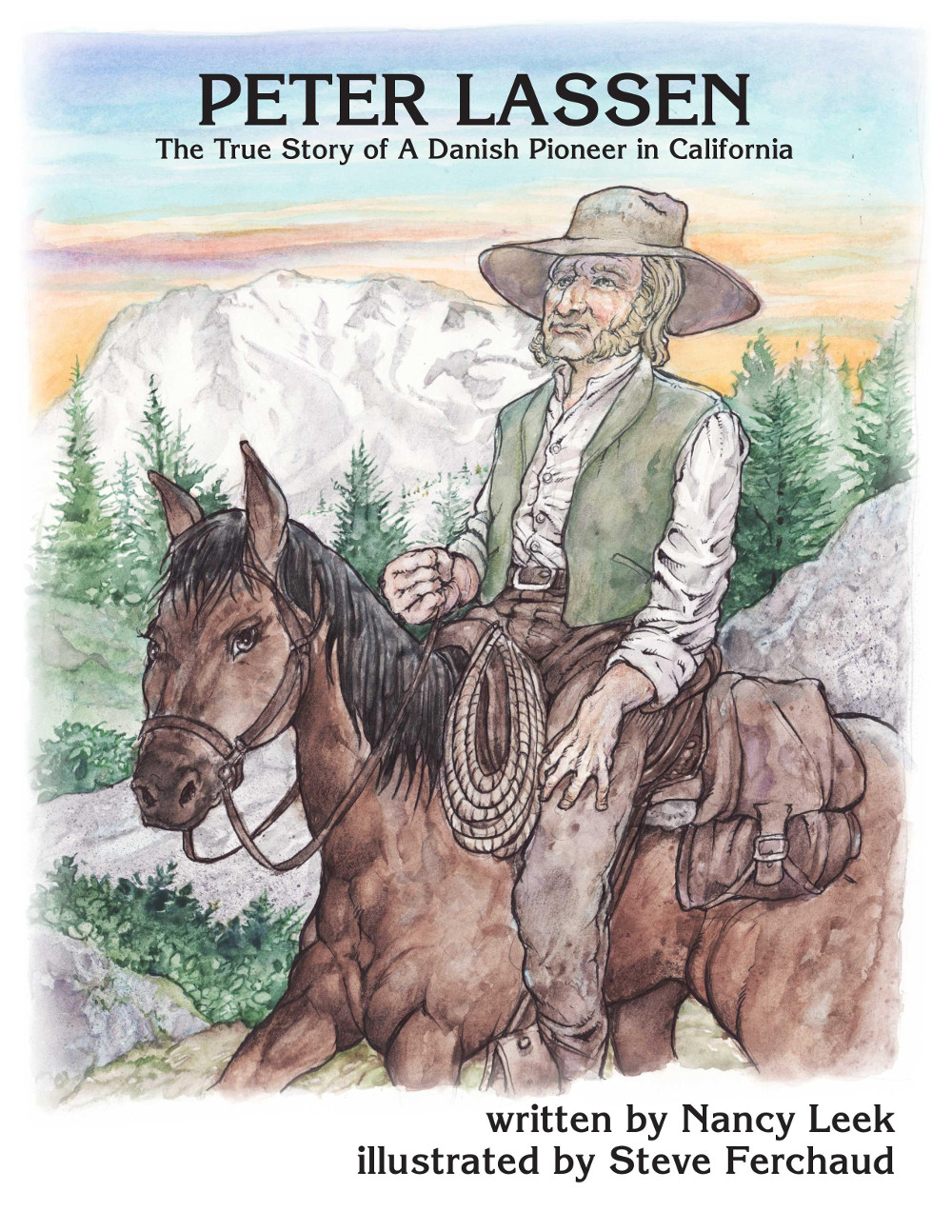
John Bidwell tells more about the company’s packing adventures in The First Emigrant Train to California.

Packing is an art, and something that only an experience mountaineer can do well so as to save his animal and keep his pack from falling off. We were unaccustomed to it, and the difficulties we had at first were simply indescribable.

The trouble began the very first day. But we started — most of us on foot, for nearly all the animals, including several of the oxen, had to carry packs. It was but a few minutes before the packs began to turn; horses became scared, mules kicked, oxen jumped and bellowed, and articles were scattered in all directions.

Bidwell only had oxen, no horse or mule, so he had the difficult task of getting packs onto his oxen. It was a scene both comic and desperate. Oxen are not trained to carry packs — I imagine that trying to get some kind of pack onto the back of an ox is not an easy thing. But Bidwell had no choice — his two oxen were all he had to carry his belongings, other than his own back. They were also his dinner on the hoof.
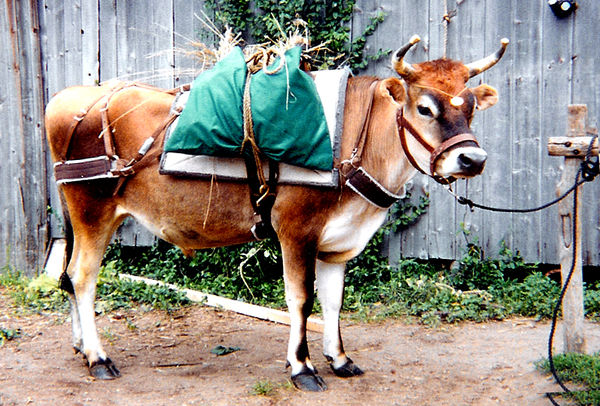
Bidwell didn’t have all the straps and buckles and rings that you see here. He improvised by tearing up the wagon cover for ropes, according to Dawson.

Posted in Bidwell-Bartleson Party | Leave a comment

September 15, 1841 — Pilot Peak

Wednesday, 15th. Started very early, day was exceedingly warm, passed through a gap in a ridge of mountains, came into a high dry plain, traveled some distance into it, saw the form of a high mountain through the smoky atmosphere — reached it, having come about 15 miles — found plenty of water — our animals were nearly given out. We were obliged to go so much further in order to get along with the wagons. We concluded to leave them, and pack as many things as we could.

The high mountain to the west is 10,700-foot Pilot Peak. It lies within Nevada, close to the Utah-Nevada border. It could be seen from a great distance and so became a landmark and a guide to all emigrant parties moving west in this part of the country.

Pilot Peak, from the Utah side. Photo by Danita Delimont.
Posted in Bidwell-Bartleson Party | Leave a comment

September 14, 1841

Tuesday, 14th. Traveled about 25 miles and stopped about 9 o’clock at night, in the middle of a dry plain, destitute of water.

They were able to get water during the day, but couldn’t find any at the end of the day. Jimmy John noted:

We started early this morning. Passed a number of good springs. Took dinner at one of them. We traveled on the border of the salt plain until night.

By dinner he means their mid-day meal. Wagon trains typically stopped in the middle of the day for two or three hours — they called it “nooning” — to eat a meal and give their animals time to rest and graze.

Daniel Jenks “The dessert” [i.e. desert] https://www.loc.gov/pictures/item/2004661639/

This drawing by Daniel Jenks shows the Nevada desert as Jenks saw it when he traveled the California Trail in 1859.

Posted in Bidwell-Bartleson Party | Leave a comment

September 13, 1841

Monday, 13th. Traveled about 15 miles south, between salt plains on the E. and high mts. on the W.

It doesn’t look like much, but it’s water.

Shibley Spring – September 13, 1841 campsite.

According to the trail guide at scienceviews.com, the Bidwell-Bartleson Party was camped at Shibley Springs. They were lucky to almost always find a spring where they could camp for the night and refresh their animals. They are skirting along the eastern slope of the Pilot Range and getting close to the bottom of this map.

Bidwell-Bartleson Trail western Utah
Posted in Bidwell-Bartleson Party | Leave a comment

September 12, 1841 — Mr. Kelsey’s Wagons

Sunday, 12th. Mr. Kelsey left his wagons and took his family and goods on pack horses, his oxen not being able to keep up. Distance today about 12 miles.

The Kelseys have discovered what the rest of the company is about to find out — their worn-down oxen can no longer haul the wagons through the sand. In a few more days every wagon will be abandoned in the desert.

Ben Kelsey seems to have been well supplied with wagons and animals. It hade two wagons, at least four oxen to haul them, and extra horses.

Most of what pioneers packed in their wagons was food, and pretty much all the food supplies have been consumed. So why haul the wagons? It only slowed them down and the emigrants must have known that time was getting short. The wagons themselves may have been getting worn out as well and in need of repairs that only cost time.

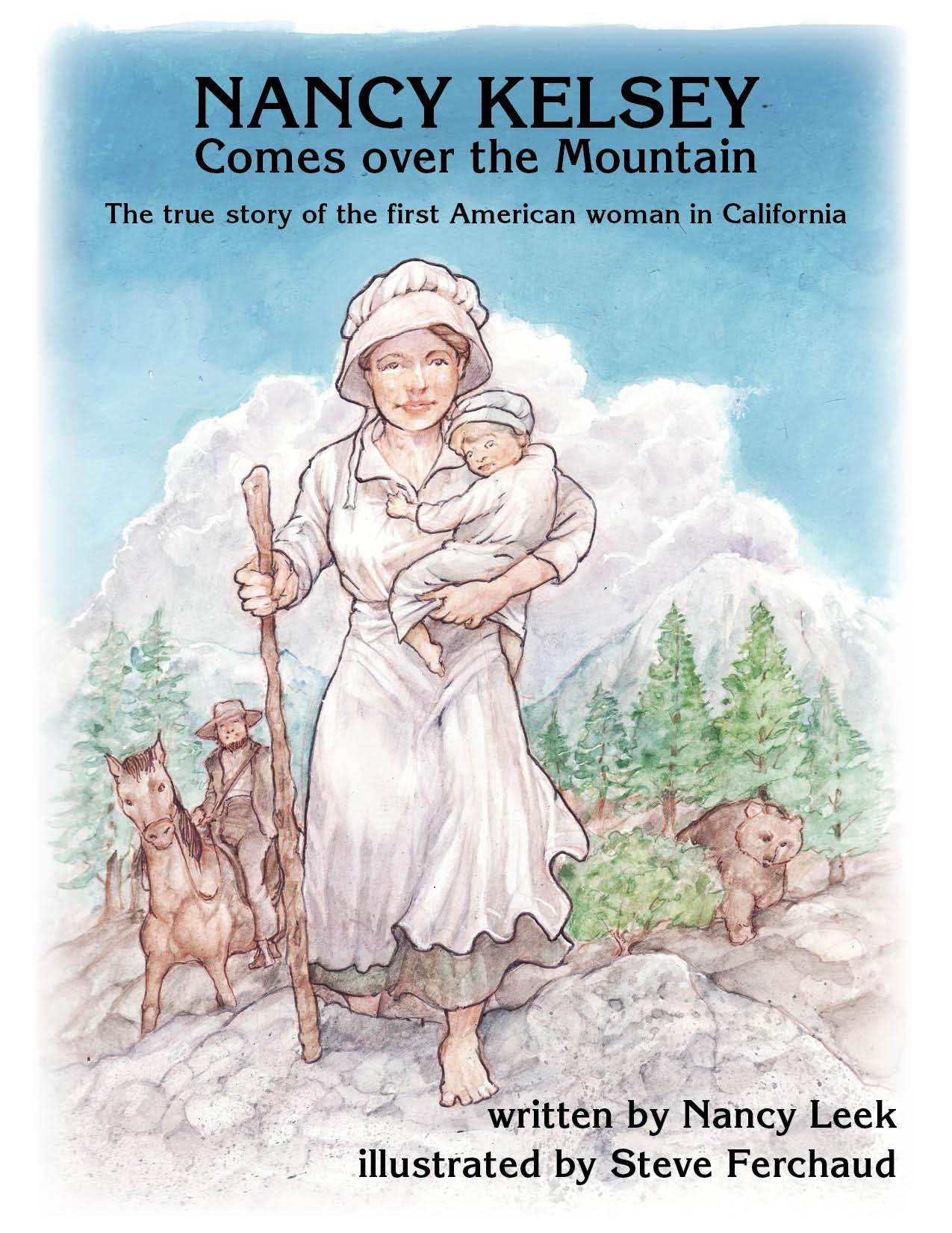
Steve Ferchaud’s illustration for Nancy Kelsey Comes Over the Mountain

Nancy Kelsey later remembered, “We left our wagons this side of Salt Lake and finished out journey on horseback and drove our cattle. I carried my baby in front of me on the horse.”

Posted in Bidwell-Bartleson Party, Nancy Kelsey | Leave a comment

September 11, 1841

Saturday 11th. Traveled about 15 miles and came to water, course W.

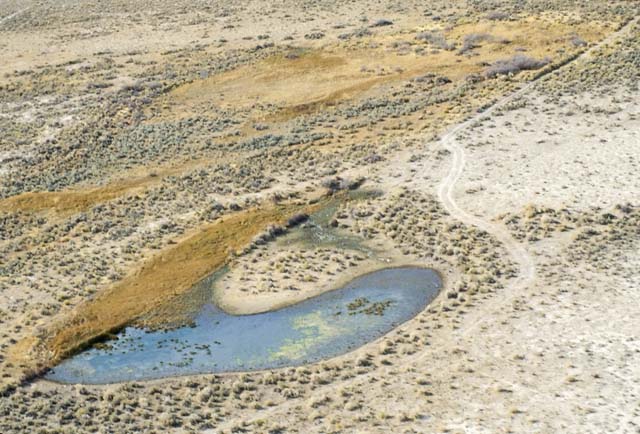
They are close to the Utah-Nevada border, but at this time that isn’t even a line in the sand. The spring that they found is today called Owl Springs. In the photo the spring is the green spot in the middle, a group of cottonwood trees that indicates water. What a welcome sight!

Owl springs North Lucin. Trees in the center of the picture. http://scienceviews.com/photo/library/SIA3048.html
Biwell-Bartleson Trail western Utah
Posted in Bidwell-Bartleson Party | Leave a comment

September 10, 1841 — Without Water

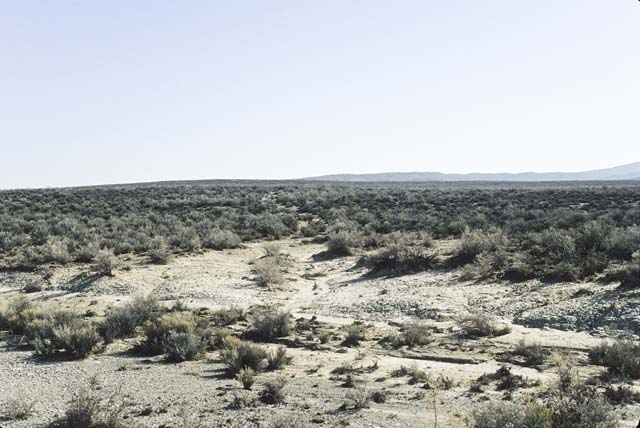
Friday, 10th. Traveled about 15 miles and encamped without water.

No grass for the animals either. This is not good.

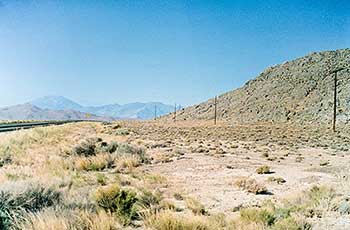
Since they had met up with their scouts Bartleson and Hopper the day before, they felt that they had no more need for their Indian guides, and they let them go. Jimmy John said, “This morning the Indians were dismissed and we gave them some powder and lead balls which appeared to satisfy them for their service.”

This photo from the Science Views website about the Bidwell-Bartleson Party journey in Utah, shows the area where they camped without water.

Posted in Bidwell-Bartleson Party | Leave a comment

Celebrate California Admission Day

September 9th is California Admission Day, the day that President Millard Fillmore signed the act that made California the 31st state of the Union. So even if you don’t have the day off from work, pause a moment to honor the great state of California.

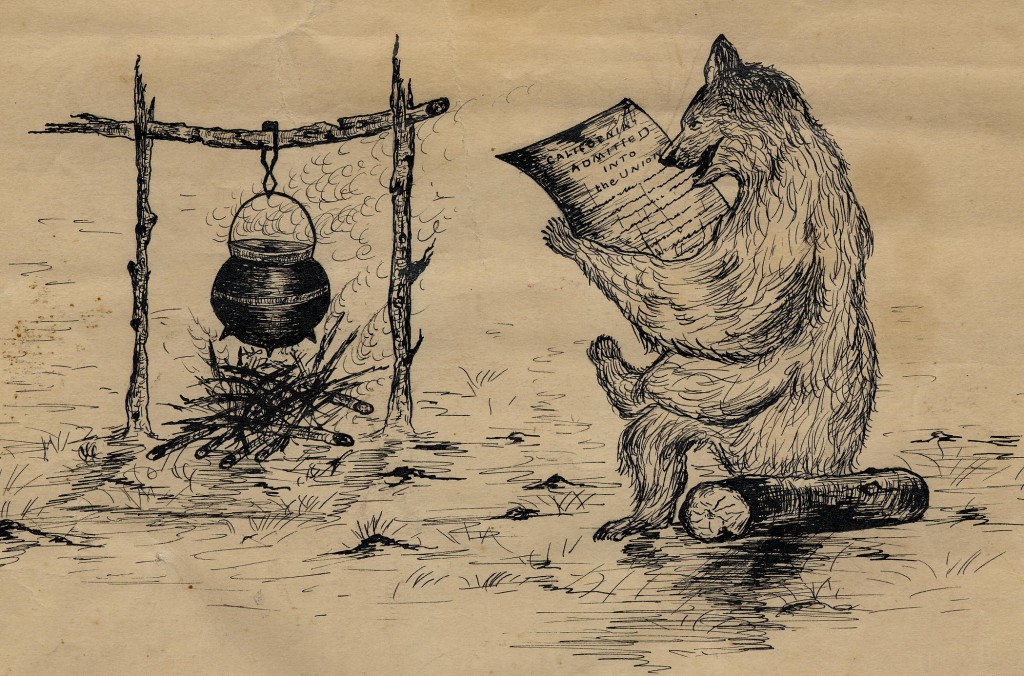
I like this cartoon of our California grizzly bear reading the news “California Admitted into the Union.” I don’t know where it first appeared, but the picture comes from The Society of California Pioneers.

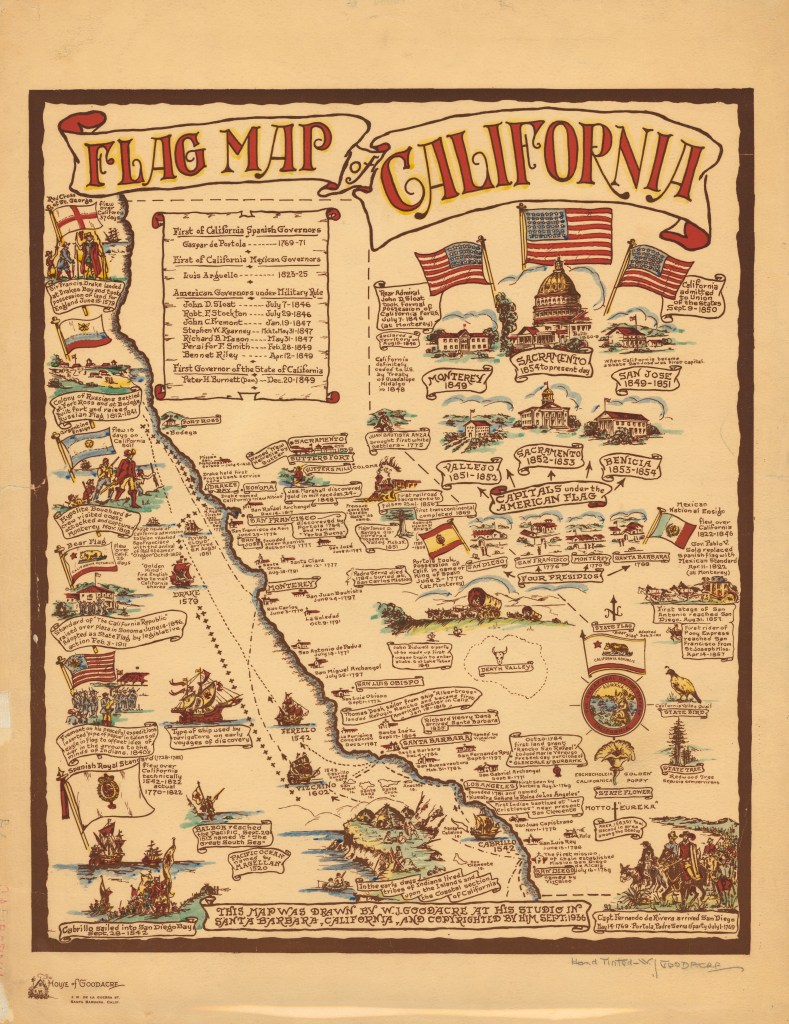
And here is a map showing all the flags that have flown over California, from the Los Angeles Public Library. Click here to go to a larger version of the map, and use the “magnifying glass” to enlarge whatever you want to read on it.

https://www.lapl.org/sites/default/files/Flag%20Map.jpg

Close to the middle of the map you can see some covered wagons. The caption reads “John Bidwell & party of 60 made up first wagon train to enter state S. of Lake Tahoe 1841.” Well, there were not 60 in the party, and they did not enter with wagons, but it is nice to see the first emigrant party to come overland to California acknowledged on this fine map.

Posted in Admission Day | Leave a comment

September 9, 1841

Thursday, 9th. The part of the Company that remained yesterday went on and overtook the 2 wagons. Capt. Bartleson & Hopper returned, bringing intelligence that they had found the head of Mary’s river — distant about 5 days’ travel. Distance traveled today about 12 miles S.W. direction. The Indians stole a horse — day cool.

Emigrant Road mile post 37

Imagine traveling across that at two miles per hour.

Posted in Bidwell-Bartleson Party | Leave a comment

September 8, 1841 — Wagons and Messes

Wednesday, 8th. Exceedingly cold; ice in our water buckets. Part of the Company remained on account of the cold — 2 wagons with owners being contrary, went on.

James John says that six wagons remained at the camp and two went on. Before this there hasn’t been any indication of how many wagons were in the California company, but it looks like there were eight for 32 men, plus Mrs. Kelsey and her baby. The Kelseys had their own wagon, which they probably shared with brother Andrew Kelsey. John Bidwell was sharing his wagon with George Henshaw and maybe someone else.

Other members of the company had organized themselves into “messes,” each mess being four or five men. For instance, the Chiles mess consisted of Joseph Chiles, John Bartleson, Charles Hopper, Michael Nye, and Robert Rickman. They probably each had a horse or mule to ride, and they carried their food supplies, cooking gear, and blankets and other personal effects in the shared wagon.

Emigrants Crossing the Plains by Albert Bierstadt
Posted in Bidwell-Bartleson Party | Leave a comment