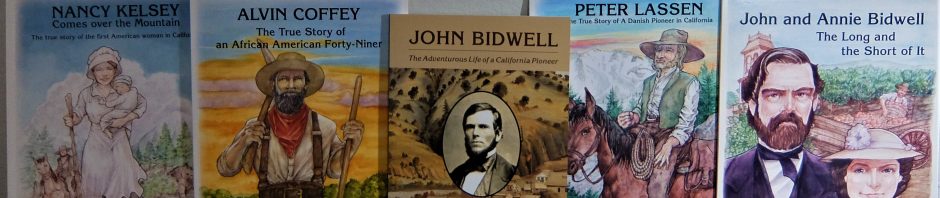
The Society of California Pioneers is a small organization with a big history and an impressive research library. Yours truly likes nothing better than an afternoon spent in a research library, so last Thursday I visited Pioneer Hall in San Francisco.
The Society of California Pioneers has moved house several times since they were founded in 1850 and are now located in one of the brick barracks at the Presidio, just down the street from the Walt Disney Family Museum. You could go to the Presidio for nothing more than a picnic and the views of the Bay and the Golden Gate Bridge, and have a thoroughly enjoyable time, but there is much more to do and see.
The SCP has a small museum with changing exhibits — you can check their schedule here. They also have a library with one room of books and a couple more of archives and manuscripts. The library is open by appointment only.
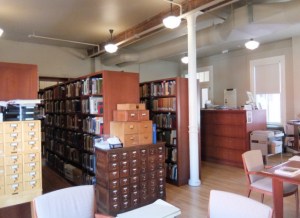
The Library reading room and stacks
The SCP was founded in 1850 by a six men who had come to California before the Gold Rush. The original aims of the Society were “to cultivate social bonds, to collect and preserve information related to California history, and to perpetuate the memory of early pioneers.” Membership was limited to men who arrived in California before 1850. The Society is now open to both men and women who are descendants of pioneers.
 The Society was diligent in preserving the memory of those early pioneers. They collected autobiographies and recollections of early days, and those records are available online. John Bidwell’s address to the Society was one of the best sources for my book.
They maintained obituary records, in which they memorialized their most prominent members with lengthy tributes, and a mortuary record, which recorded the death of each member. They also have letters, deeds, and other manuscript material on many members.
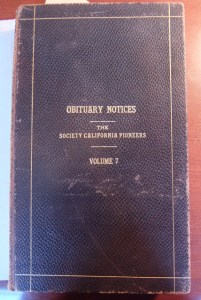 I was looking for anything on John Bidwell, John Marsh, or Dr. John Townsend. Although there was not a large amount on any of these men, I found several choice tidbits. In the case of Dr. Townsend, not only was he a member, having arrived in 1844 with the Stephens-Townsend-Murphy Party, but his son John, who was born in San Francisco in 1848, also qualified to be a member. He must have been the youngest one among the senior pioneers.

The President of the Society gets to wear this fantastic medal at their annual dinner. It was donated by the philanthropist James Lick, who was an early member.
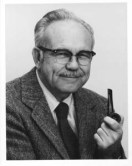 Hector Lee (1908-1992) was a professor of folklore who began his career at Chico State University and then transferred to Sonoma State. He was a nationally known authority on the folklore of the American West and his collections of tales appeared not only in books, but on radio and television as well. The clips presented on the ANCHR Facebook page come from the files of CSUChico Meriam Library Special Collections, who have given permission to share them.


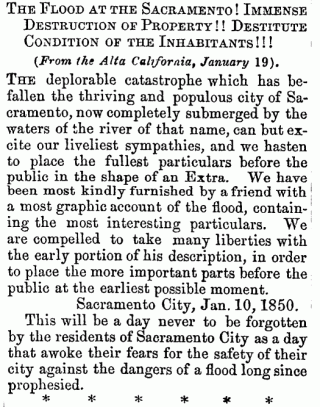 Here are a few quotations from an eyewitness report which appeared in the Daily Alta California, 16 January 1850: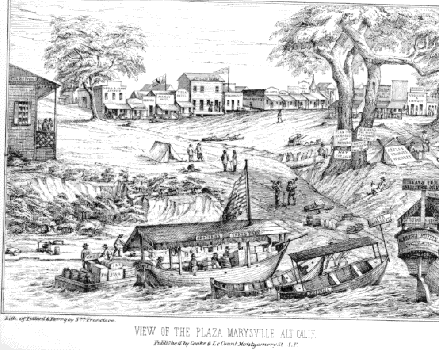
 In 1847 he made a contract with three English carpenters to build a sea-going schooner at New Mecklenburg. He planned to sail the schooner to Mazatlán, perhaps even Hawaii, and sell his produce. As the business grew, he planned add more ships to carry more goods. Prosperity beckoned.

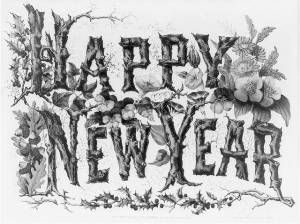 Happy New Year to all the history buffs out there. I hope 2017 is filled with wonderful discoveries and joyful events.
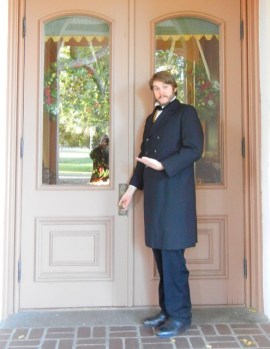 I love to talk to elementary students, too, so if you know a teacher, pass this on. 3rd and 4th grade students visit Bidwell Mansion — a talk and slideshow about John and Annie Bidwell before they visit is a great way to get ready. Sometimes I even bring John along with me! (As portrayed by Nick Anderson.)
 John Bidwell knew he was in California when he arrived at John Marsh’s rancho on November 4, 1841. Like most Americans who came to California in the 1840s, he went to John Sutter to find work.
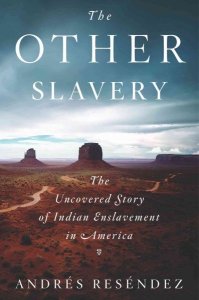 In his book The Other Slavery, historian Andrés Reséndez reveals a missing piece of American history — the enslavement of Native Americans. From the first days of Columbus in the Caribbean down to the 20th century, Indians were pressed into slavery.
 goldfields