Here is another letter from Thomas Bidwell to his brother. John Bidwell was still in San Francisco, recuperating from an illness. Thomas says he has been sick too — probably both of them suffered from malaria contracted while crossing the Isthmus of Panama.
The “opportunity offered” was someone going southward to carry the letter. There was no regular postal service to Rancho Chico in 1850. A letter would have to be posted in Sacramento.
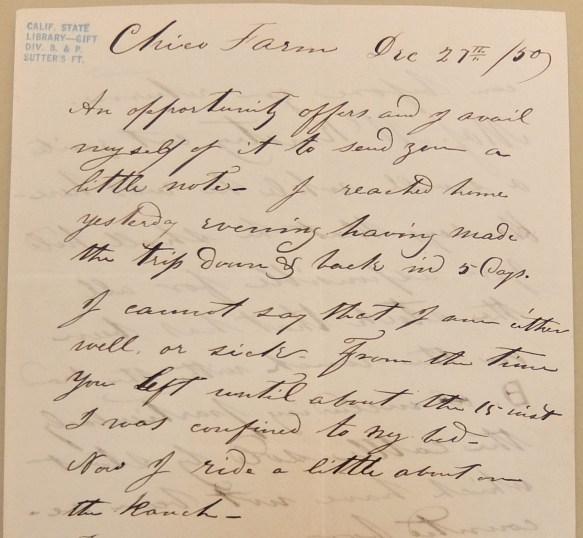
Chico Farm Dec. 27th / 50
An opportunity offered and I avail myself of it to send you a little note. I reached home yesterday evening having made the trip down and back in 5 days.
I cannot say that I am either well or sick from the time you left until about the 15 inst. I was confined to my bed. Now I ride a little about on the ranch.
Before you come home, purchase if you can bring them, a pair of morocco shoes for Mrs. Alfred No. 7, also a pr of Morocco slippers No. 6 (small size), a few pairs of pants would sell well I think.
We want clothing for the boys. Shall I get out timber for a house? Let me know if you can before you return. Maj. McKinstry cut quite a swell while he was here. He says that he shall hold you responsible for all the stock that has been on the ranch with the brand B, including particularly the cattle sold by Stout which have not been accounted for.
Yours ever, Thos. J. Bidwell
He is asking again for “clothing for the boys.” Bidwell supplied shirts, trousers, and shoes to his Indian workers to use while at work. They could wear whatever they wanted at other times, but for work they needed the protection of Western clothing.
The house he is thinking of building is the two-story adobe. In 1850 all Bidwell had was a log cabin, and that must have been inadequate. It would burn down from an Indian attack in 1852.
John Bidwell and George McKinstry had been business partners in 1848-49, supplying goods to the miners at Bidwell’s Bar. They don’t seem to have gotten along very well after that. They argued over which cattle on the ranch belonged to whom, as evidenced by this letter six weeks later from McKinstry to Bidwell.
Sacramento City Feby 18th ‘51
Sir, I hereby give you notice that if you continue to kill or sell the stock (and appropriate to yourself the proceeds thereof) on the Ranch “Arroyo Chico” situated in Butte County, of which stock I am the one half owner I shall hold you personally responsible for the value of the same.
Very Respectfully Yours, McKinstry



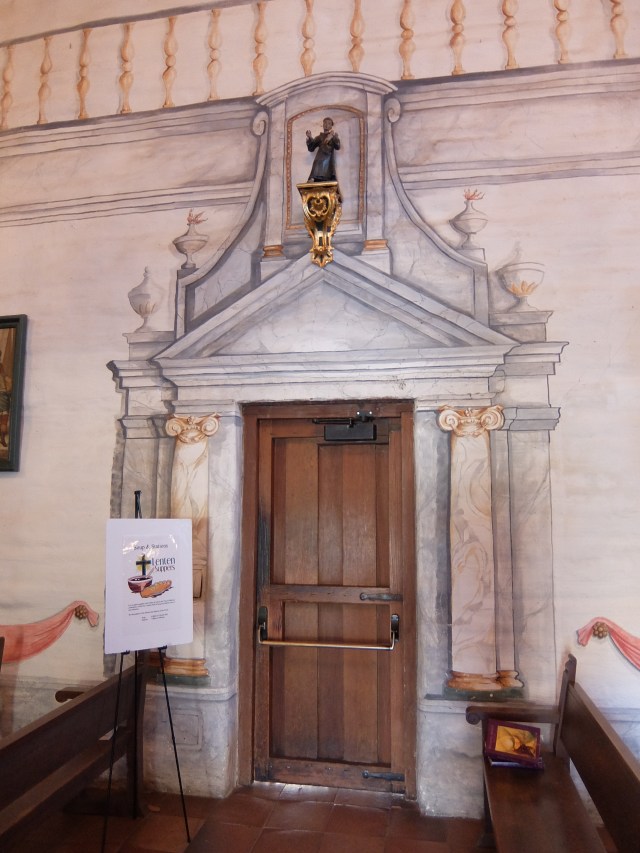
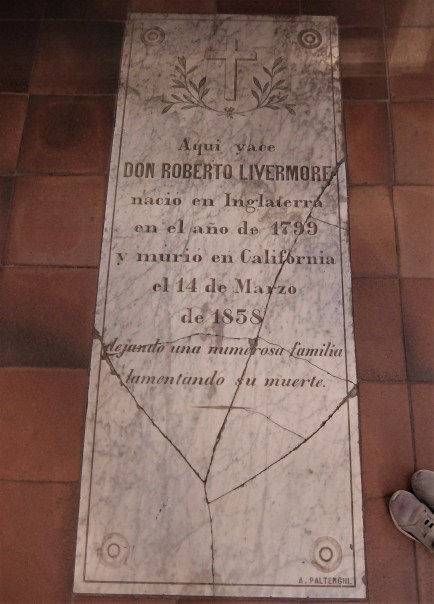 Robert Livermore, Englishman, runaway sailor, Mexican land grantee and early Californian, is buried in old Mission San José.
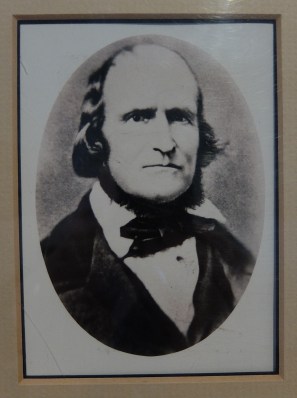 Robert Livermore was born in Essex, England in 1799, and at the age of 15 he was apprenticed to a stone mason. He must not have cared for that work, because he ran away to sea the following year. He served in both the U.S. Navy and the British Navy, as well as on a merchant vessel that brought him to California in 1822, where he jumped ship.
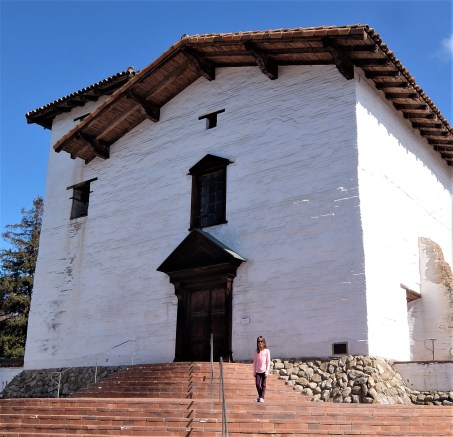 No more! Saturday I took my granddaughter on a field trip and we visited old Mission San José.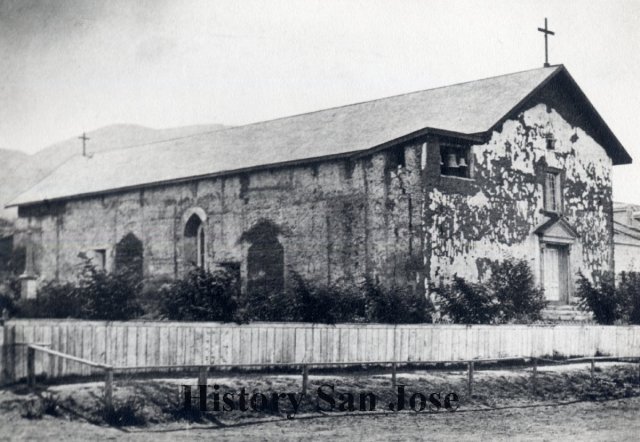
 Once upon a time, when the rules of courtship were strict, and a woman could only wait for a man to get a clue and propose marriage, tradition had it that during a leap year a woman could propose to her tardy and reluctant male. According to legend the custom grew up in Ireland, where St. Patrick allowed women this opportunity every four years, after St. Brigid complained to him that the girls were having to wait too long for marriage. Another legend attributes the custom to Scotland, where Queen Margaret decreed that during leap year a maiden could make the first move and snare the man she admired.
 was a popular legend. It became a humorous trope employed by storytellers, cartoonists (think Al Capp and Sadie Hawkins), and versemakers like Pres Longley. The idea may have faded away in today’s society, but in the 19th and early 20th century it had great currency.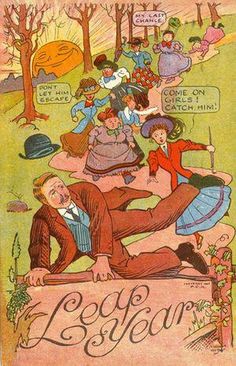


 The case, whatever it was, was dismissed by the court. If they were never married, she couldn’t sue for divorce or accuse him of desertion. Also, he may have had more political pull than she did.
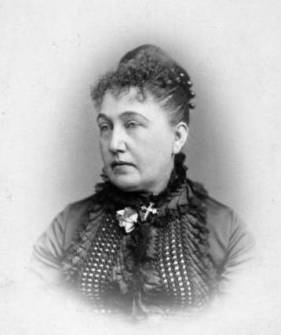

 Oh dear. Trouble, with a capital A, and that stands for Adultery.
 goldfields