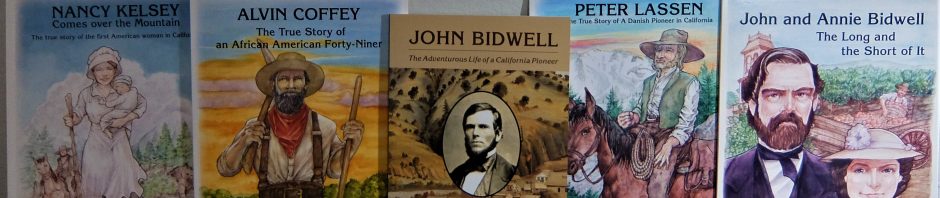
[I was trying to fix a missing picture in this post, but I can’t find the picture, and I can’t put the post back to 2018. So I’ll just post it again so as not to lose it.]
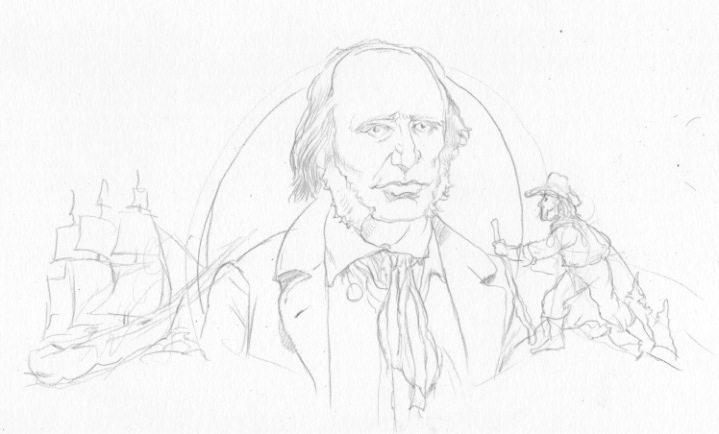
When I visited the Lassen Historical Museum last month, I bought a little book titled The Short-Lived Explorations of Isadore Meyerowitz, by Rosaline Levenson. Knowing that Isadore was Peter Lassen’s partner, I was interested in reading the book. Ms. Levenson did an outstanding job of tracking down every possible bit of knowledge about Isadore’s life. It’s a short book though — very little is known about the man.
Isadore was either a Russian or a Polish Jew. As Levenson points out, parts of eastern Poland alternated between Polish and Russian rule, but given the spelling of his name, he was probably from a Polish area. The date of his birth and the date of his immigration are both unknown, but it is likely that he was younger than Peter Lassen, his partner.
Isadore and Peter Lassen settled in the Indian Valley of Northern California in the 1850s. There they ran a trading post and grew vegetables to sell to miners and travelers. Isadore spent seven years as the partner of Peter Lassen and like Lassen must have been of the same restless and independent nature. Some men who met him in Indian Valley in 1854 referred to him as “an intelligent Russian.” He could speak the local Indian dialect and was married to an Indian woman.
Isadore came to California in either 1848 or 1849. He was a Mason and his name appears on the roster of California Lodge No. 13 when it first met on November 17, 1849. Lassen too was a Mason, although attached to a different lodge, and the Masonic tie would have helped to form a bond between the men.
J. Goldsborough Bruff, to whom we are indebted for so much information about Gold Rush California and Lassen in particular, wrote the following about Isadore in a diary entry on November 14, 1850:
Here occurred an instance of Israelitish fraternal regard. My estimable friend Isadore went to the wagon, in which was a friend of his, a brother Israelite, whom he had previously served. He hinted to him his present situation, when the other offered him a purse of several thousand dollars, but he took only a small sum, to purchase some necessaries to carry out in the hills.
Next time: The Untimely Death of Isadore Meyerowitz
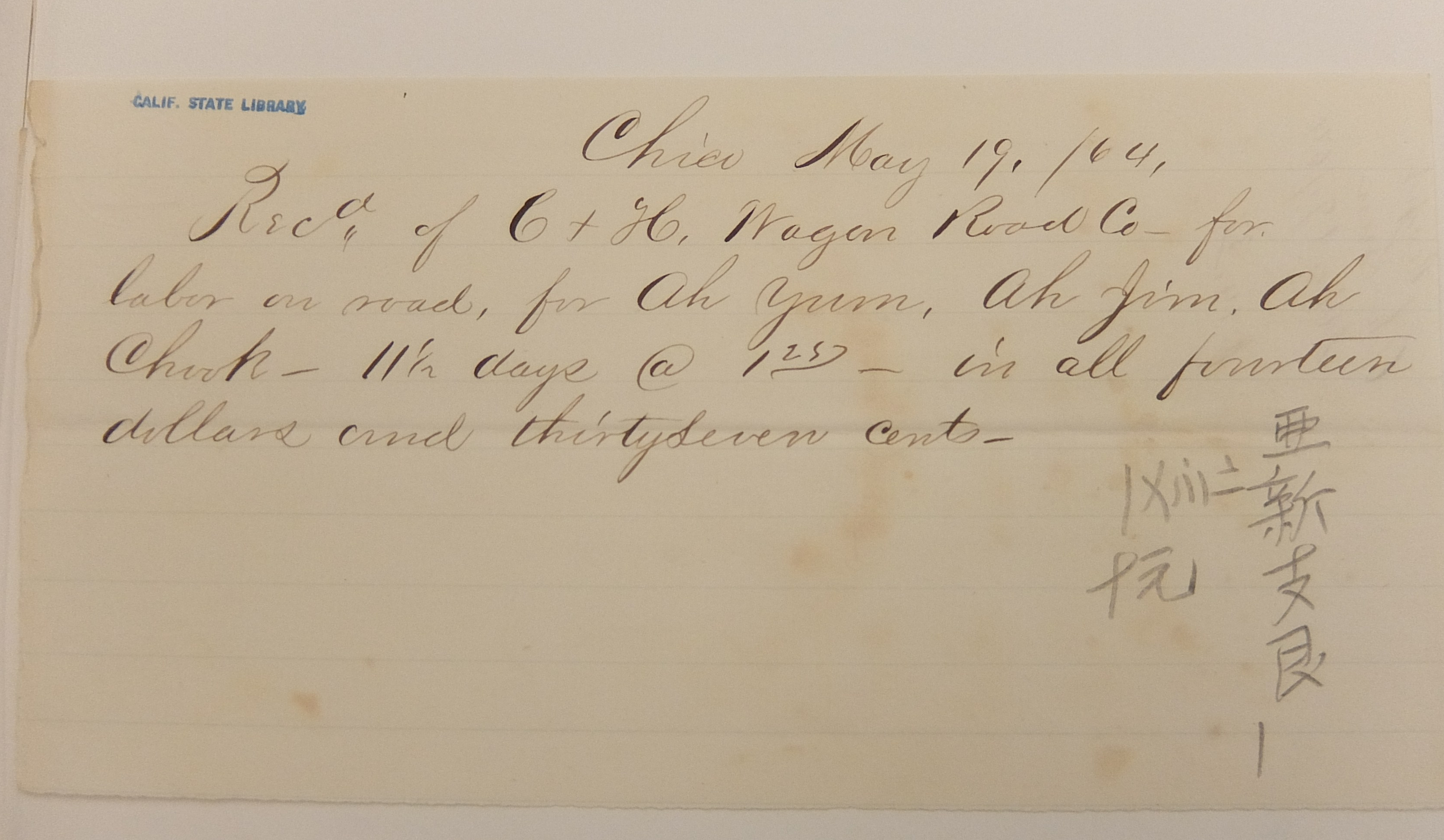
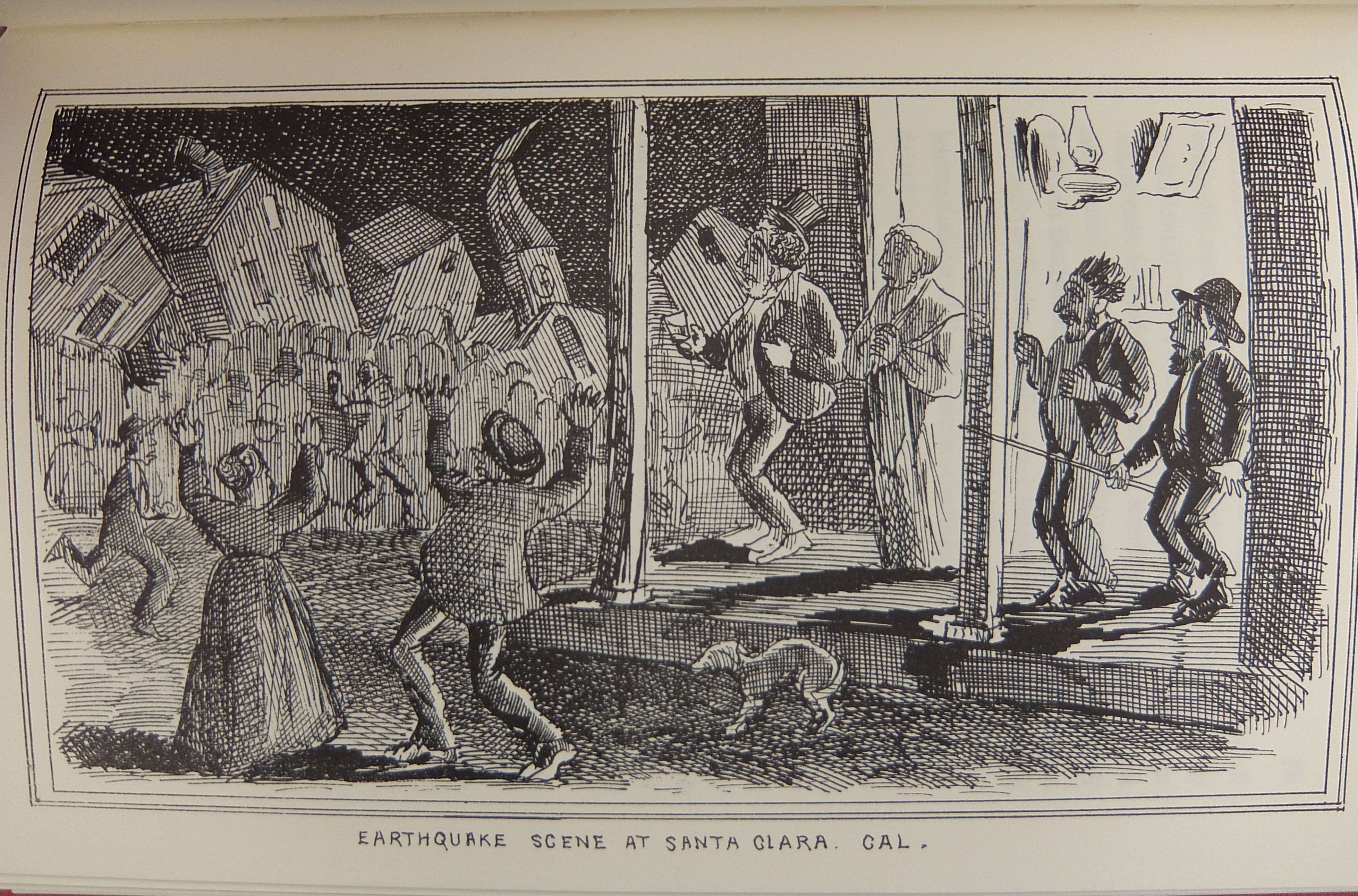
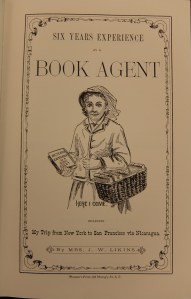 And here she is! Or should I say, “Here I Come,” since that’s what Mrs. J. W. Likins says herself on the picture. Six years of selling books had given Amy Likins plenty of confidence.

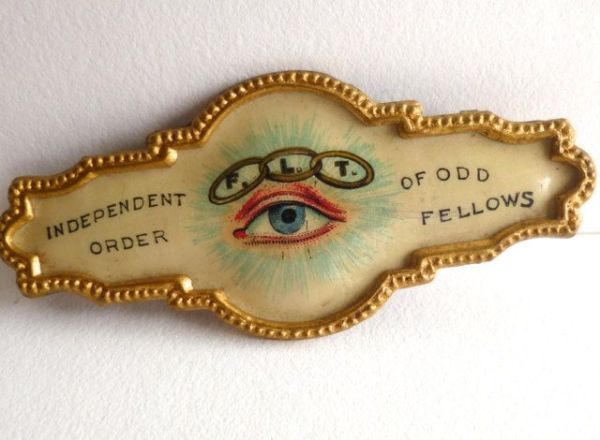 Amy Likins says that she became a Rebekah fifteen years before coming to California in 1868, which would have been only two years after the degree was created. She found her association quite useful as she went about her travels as a book agent. A man wearing the symbol of the Odd Fellows, the three link chain, was someone she could trust, someone she could call on to assist her if she were accosted by some “ruffian,” as she relates in the following story.
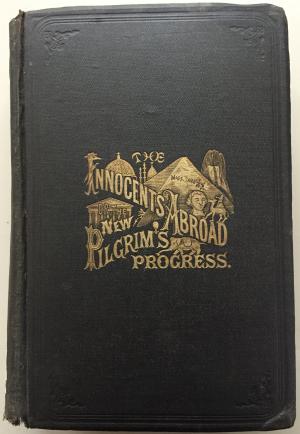 Taking my bundle, I started out; called at the several places of business, and had tolerable good success. I called on one gentleman I pitied very much; he had to use crutches. He told me he was a cripple, from rheumatism. Still he seemed energetic, and full of business, carrying on a drug-store and keeping the Post-office, and was contented and happy. He said, when I came around again, he would take Mark Twain’s “Innocents Abroad,” if I would bring it to him, as he was a great reader.
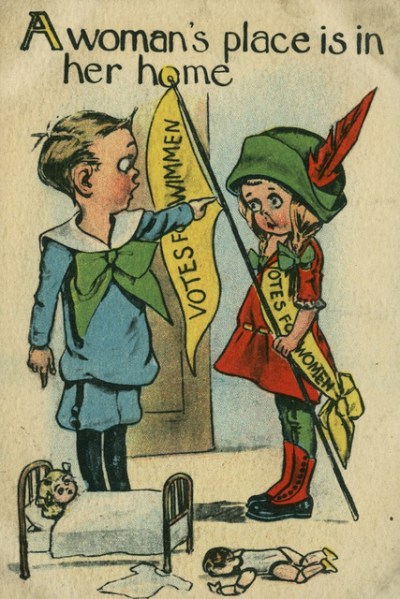 A few days later she encountered another one of these misogynists.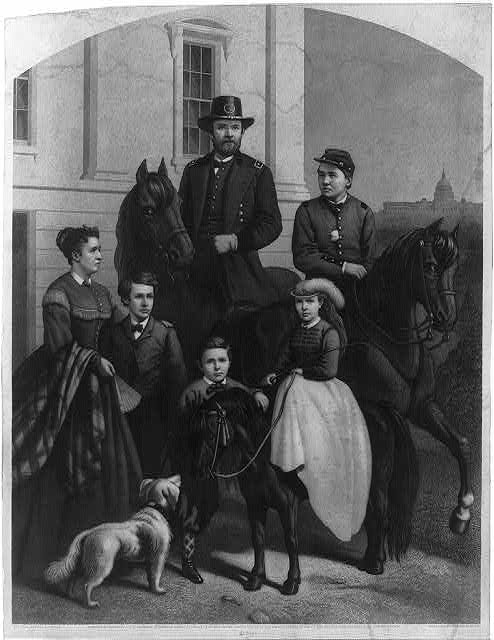
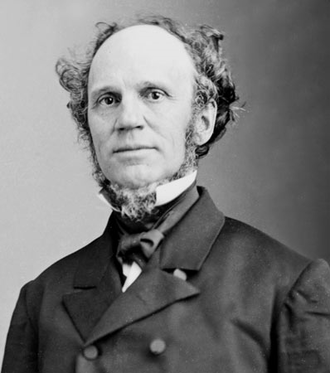 Horatio Seymour, former governor of New York, was Grant’s Democratic rival in the race for the presidency. He lost, 47% to Grant’s 53%.

 goldfields