Mrs. Likins, the Bancroft book agent, took pride and comfort in her membership in the Rebekah order of the Independent Order of Odd Fellows and she mentions this several times in her memoir.

Seal of the Sovereign Grand Lodge, Independent Order of Odd Fellows
The Odd Fellows were founded in the United States of America in 1819 and quickly became one of the foremost fraternal orders. It became the first fraternity in the United States to include both men and women when it adopted the Rebekah degree in 1851, at the behest of Schuyler Colfax, later Vice-President of the United States under Abraham Lincoln. The Odd Fellows emphasized service and charity along with the usual benefits of fraternity, and by the second half of the 19th century they were the largest fraternal organization in the United State.
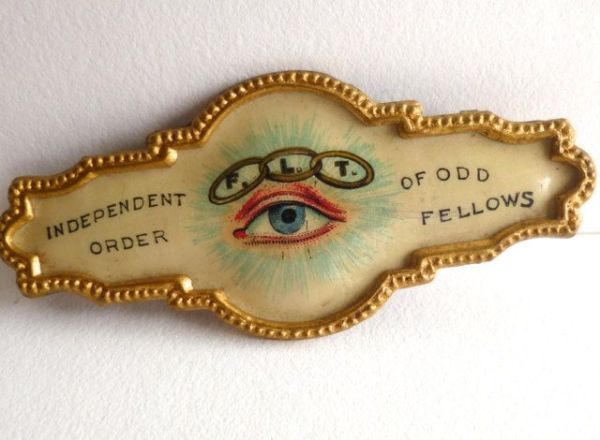 Amy Likins says that she became a Rebekah fifteen years before coming to California in 1868, which would have been only two years after the degree was created. She found her association quite useful as she went about her travels as a book agent. A man wearing the symbol of the Odd Fellows, the three link chain, was someone she could trust, someone she could call on to assist her if she were accosted by some “ruffian,” as she relates in the following story.
The next day I visited the R.R. offices, and on making my appearance before the illustrious and distinguished Govenor S.*, I was treated with a very great deal of respect, and received permission from him to visit all of the offices, after having himself patronized me, for which I tendered him my sincere thanks. I then called in every office, and among the numerous clerks; my order book will show evidence of their liberal patronage, for which I thanked them all very kindly. I here admit that Rail Road men are a class that have treated me very politely, and with but one exception . . .
This fellow was in the employ of Mr. J., the superintendent of the road from Sacramento to Folsom. He was a baggage master, by the name of L. He came up to me, and offered to shake hands. Without being impolite, I could not very well refuse, at the same time telling him that I did not remember ever meeting him before. With a hateful grin, he said, “you cannot play that on me; didn’t I see you in San José, the week before last, working on this same book?” reaching his hand for the prospectus, which I refused to give him, saying, “you are very much mistaken, I was in that place, but had a different book.”
“I presume you take me for Mrs. B.,” who was working there on the same book. He answered, “you need not try to play such a game on me, as I know you are that Mrs. B.; probably if you don’t want to recognize me, you would recognize Mr. F., the engineer, if he would come around. Probably, you will also deny making a row between him and his wife, a few weeks ago.”
Finding it was impossible for me to convince him of his mistake, and seeing that he was a ruffian under the influence of liquor, and as I had tried hard to get away from him and his abuse, he persisted in following. At a little distance, I saw a Mr. J—, who wore an emblem of Odd Fellowship, and was pleased to find that he had taken the Rebekah degree; and immediately inquired of me what assistance I needed. I told him my name and situation as best I could, for weeping. I pointed out to him the ruffian, who stood at some little distance. Mr. J— called to him, and told him he must necessarily be mistaken, as Mrs. J. W. L. must be a lady, or otherwise she would not be in possession of certain signs and pass-words. He also told him that if he did not at once beg the lady’s pardon he would discharge him from his employ.
The ruffian did indeed beg her pardon, “with a half drunken idiotic grin on his
countenance,” and Mrs. Likins went on her way, secure in the knowledge that her Rebekah affiliation had come to her aid.
*Presumably Governor Leland Stanford, who after serving a term as state governor (1862-63), went back to being a railroad baron.

 The bodies were never recovered. Isadore’s only memorial was a tribute written in Hutchings’ California Magazine a year later:
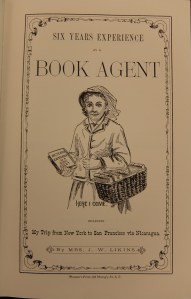 And here she is! Or should I say, “Here I Come,” since that’s what Mrs. J. W. Likins says herself on the picture. Six years of selling books had given Amy Likins plenty of confidence.

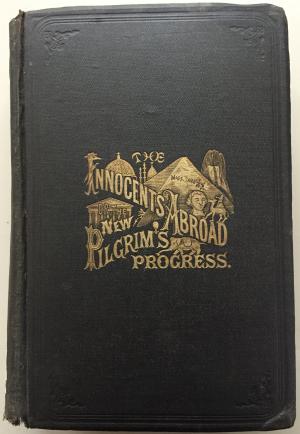 Taking my bundle, I started out; called at the several places of business, and had tolerable good success. I called on one gentleman I pitied very much; he had to use crutches. He told me he was a cripple, from rheumatism. Still he seemed energetic, and full of business, carrying on a drug-store and keeping the Post-office, and was contented and happy. He said, when I came around again, he would take Mark Twain’s “Innocents Abroad,” if I would bring it to him, as he was a great reader.
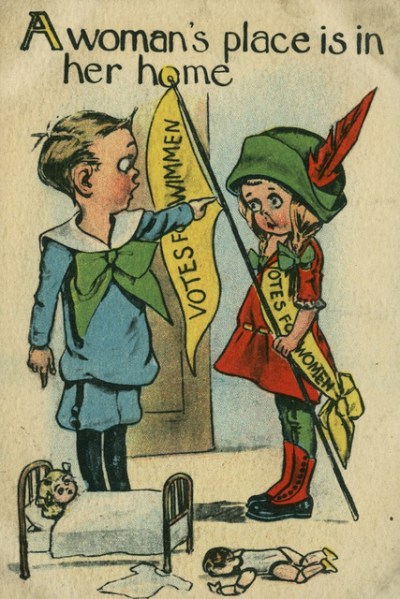 A few days later she encountered another one of these misogynists.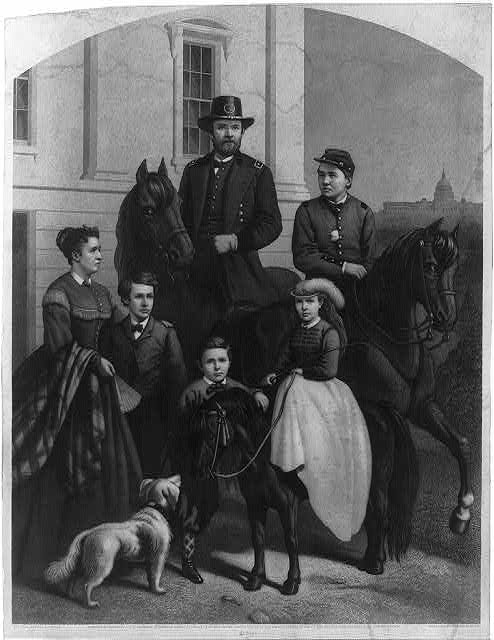
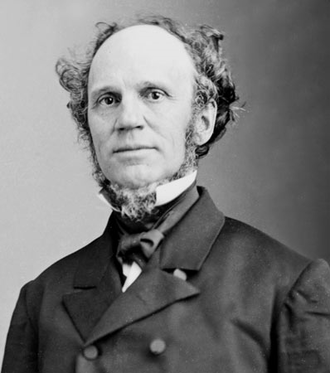 Horatio Seymour, former governor of New York, was Grant’s Democratic rival in the race for the presidency. He lost, 47% to Grant’s 53%.